
Plastic & Electronics
Plastic and Electronics Engineering
PP, ABS, PC and blends serve different housing, mechanism and transparent-part roles. Resin selection must be coordinated with molding, joints, sealing, service access and the separately approved electrical architecture.
Discuss a material-led project01
Typical applications
Feeder, fountain and cleaner housings
Litter, storage and travel products
Mechanisms, covers and user interfaces
02
Material selection
| Material selection | Typical material system | Trade-offs |
|---|---|---|
| Polypropylene (PP) | A typical injection-molded option for selected general housings and living-hinge concepts. |
|
| ABS or PC/ABS | A typical enclosure option when appearance, processability and impact or heat balance require review. |
|
| Polycarbonate (PC) | A typical option for selected transparent or impact-sensitive parts when optical and molding requirements justify it. |
|
03
Manufacturing route
- 01
Freeze the product architecture, resin family and electrical boundary.
- 02
Prepare and dry material as required by verified supplier guidance.
- 03
Injection mold with controlled filling, venting, temperature and cooling.
- 04
Finish, join and assemble mechanical and approved electronic subassemblies.
- 05
Inspect appearance, fit, function and service access against the approved sample.
04
Design rules
- Use controlled wall transitions, draft, radii and gate locations.
- Separate wet, dirty and service zones from electronics by design.
- Validate snap fits, screws, welds or adhesives with the selected resin and service plan.
- Provide drainage, cleanable interfaces and access for approved replaceable parts.
05
Quality controls
- Risk
- Wrong resin or moisture condition can destabilize molding.
- Control point
- Verify resin identity, lot, preparation and first-piece condition.
- Risk
- Sink, warpage, weld lines or stress may affect fit and appearance.
- Control point
- Approve measurement and visual zones, then monitor process and conditioned parts.
- Risk
- Joint or seal variation may cause looseness or leakage.
- Control point
- Use project-specific fit, assembly and functional checks on representative units.
- Risk
- Electronics may be exposed to contamination or inaccessible service conditions.
- Control point
- Review isolation, routing, strain relief, access and approved functional tests before release.
06
Relevant products
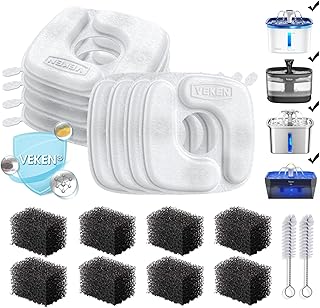 Pet Water Fountain · Reference 01MGT-FH-004-01
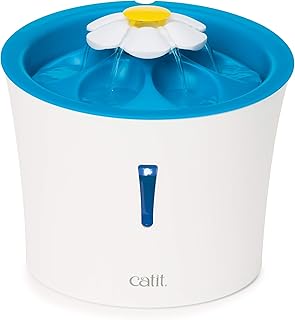 Pet Water Fountain · Reference 02MGT-FH-004-02
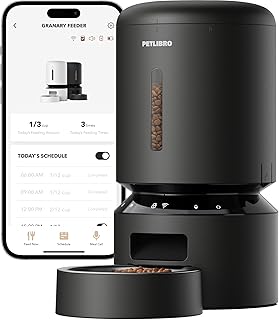 Automatic Pet Feeder · Reference 01MGT-FH-005-01
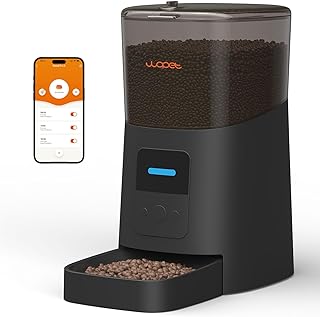 Automatic Pet Feeder · Reference 02MGT-FH-005-02
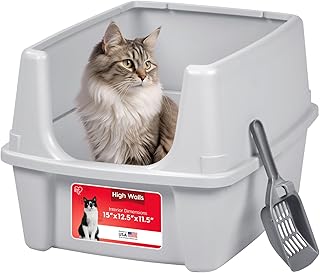 Cat Litter Box · Reference 01MGT-GH-045-01
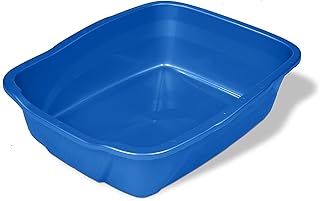 Cat Litter Box · Reference 02MGT-GH-045-02
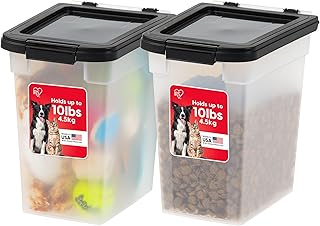 Airtight Pet Food Container · Reference 01MGT-FH-006-01
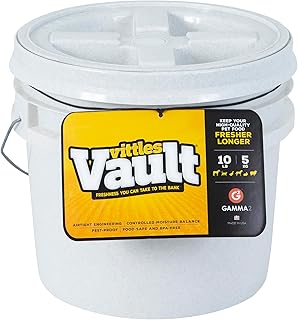 Airtight Pet Food Container · Reference 02MGT-FH-006-02
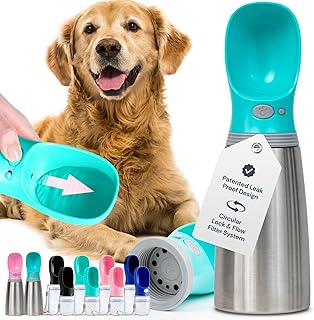 Portable Pet Water Bottle · Reference 01MGT-FH-007-01
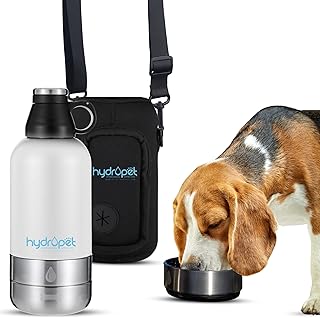 Portable Pet Water Bottle · Reference 02MGT-FH-007-02
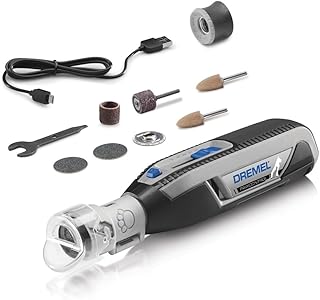 Pet Nail Grinder · Reference 02MGT-GH-040-02
07
Buyer FAQ
Is PC always better than PP or ABS?
No. Each material family balances geometry, appearance, process, impact, heat, joining and cost positioning differently.
Does a plastic housing define electrical safety?
No. Electrical architecture, components, tests and compliance are separate project requirements and are not inferred from resin appearance.
What should be fixed before tooling?
Confirm architecture, use environment, resin family, dimensions, interfaces, cleaning, electronics boundary, finish and validation plan.
Discuss a material-led project
PP, ABS, PC and blends serve different housing, mechanism and transparent-part roles. Resin selection must be coordinated with molding, joints, sealing, service access and the separately approved electrical architecture.
Discuss a material-led project