
Plastic & Electronics · MGT-FH-007-01
Portable Pet Water Bottle · Reference 01
A travel-hydration direction combining water storage and one-hand dispensing, where seal integrity, drinking access, carry comfort, cleanability, and return-flow behavior drive development.
Add this SKU to an inquiry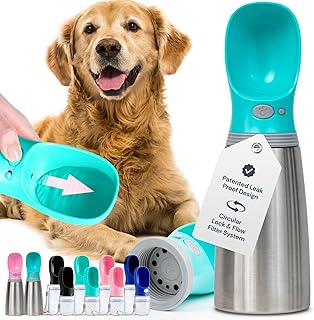
01
Technical snapshot
- Typical material system
- A rigid molded bottle and closure may combine with flexible silicone seals or a foldable cup; resin, elastomer, liquid path, and joining remain project-confirmed.
- Typical process route
- Typical routes include molding, seal and valve assembly, closure integration, liquid-path review, carry and cleaning evaluation, and protective packing.
- Key buyer decision
- Choose carrying volume, drinking-trough geometry, control method, lock strategy, return-water concept, and cleaning sequence together.
02
Reference variant observation
The image shows a bottle topped by a broad scoop-shaped cup, with a grip band, control button, and color swatches presented alongside.
The image is a market-reference input. Visible form may inform planning, but it does not confirm material, construction, performance, ownership or compliance.
Planning questions
- Which visible form and component arrangement should the buyer brief retain?
- Which opening, closure, carry, or presentation detail should sampling compare first?
03
Material options
Material comparison
| Material selection | Typical material system | Trade-offs |
|---|---|---|
| Rigid molded bottle and closure | A rigid molded polymer system may integrate threads, buttons, channels, grips, and visual color, subject to wall, stress, fit, and cleaning requirements. |
|
| Flexible silicone cup and seal system | A silicone family may support foldable drinking parts, quiet contact, and compliant seals, with hardness, recovery, geometry, and molding route confirmed by sample. |
|
04
Manufacturing route
- 01
Define target volume, carrying orientation, drinking geometry, control sequence, and cleaning route.
- 02
Mold bottle, closure, control, and flexible components with controlled mating features.
- 03
Assemble valve, seals, buttons, locks, straps, and drinking components according to the approved architecture.
- 04
Review liquid retention, dispensing and return sequence, lock behavior, grip, cleaning access, and packed protection.
05
Design for manufacturing
- Valve and seal interfaces should control compression without pinching, twisting, or hidden assembly errors.
- Threads, snaps, and lock features should provide clear engagement while tolerating expected molding variation.
- The drinking trough and return path should avoid narrow corners that are difficult to empty, wipe, or dry.
06
Quality controls
- Risk
- Seal displacement or closure variation may cause leakage during carrying.
- Control point
- Inspect seal seating and closure engagement, then review representative carrying orientations with the approved sample protocol.
- Risk
- Valve or button inconsistency may create poor flow control or unintended release.
- Control point
- Check actuation sequence, return behavior, and lock engagement on representative assemblies.
- Risk
- Hidden liquid or residue may remain in complex trough, channel, or fold geometry.
- Control point
- Use a complete disassembly, visual-access, drainage, and drying review during sample approval.
07
Customization scope
- Dimensions, capacity, and component layout
- Color, surface appearance, and branding position
- Retail packaging, accessory set, and assortment format
08
Buyer checklist
- Confirm the target market, channel, and intended use environment.
- Confirm the pet size range and the required product dimensions or capacity.
- Select the preferred material direction and finish through specification and sample review.
- Define project-specific testing and documentation requirements before tooling or bulk production.
09
Buyer FAQ
Are these materials the confirmed production specification?
No. They are typical engineering options for development reference; final material, construction, testing, and compliance requirements should be confirmed through the approved specification and sample.
What should a buyer confirm before sampling?
Confirm use conditions, dimensions, material direction, cleaning expectations, branding, packaging, and any market-specific testing or documentation needs.
10
Related products
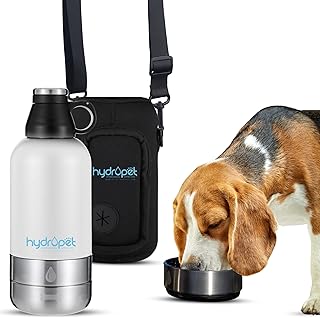 Portable Pet Water Bottle · Reference 02A travel-hydration direction combining water storage and one-hand dispensing, where seal integrity, drinking access, carry comfort, cleanability, and return-flow behavior drive development.
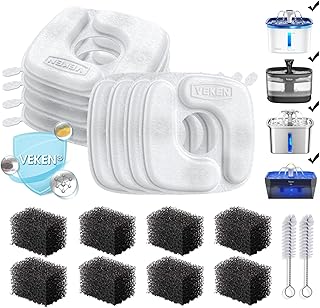 Pet Water Fountain · Reference 01Both hydration formats benefit from coordinated decisions on drinking access, water-path cleaning, seals, and visual language.
Add this SKU to an inquiry
Typical concepts may include bottle-and-trough combinations, foldable cup formats, lockable push-button layouts, or accessory-ready travel sets.
Add this SKU to an inquiry