
Plastic & Electronics · MGT-GH-045-02
Cat Litter Box · Reference 02
A litter-management enclosure direction where pet access, usable interior volume, scatter control, cleaning reach, odor-management architecture, structural stability, and home footprint shape buyer choice.
Add this SKU to an inquiry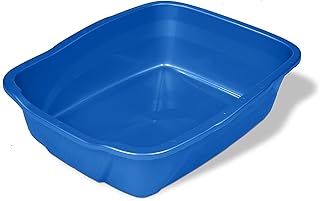
01
Technical snapshot
- Typical material system
- A rigid molded polymer base may be used alone or combined with a molded hood, door, removable tray, flexible seals, and selected metal fasteners or frame parts; final architecture is project-specific.
- Typical process route
- Typical routes include large-part molding, trimming, hardware and door subassembly, base-to-hood or tray fit-up, stability and cleaning review, nesting or knock-down assessment, and packaging.
- Key buyer decision
- Choose open or enclosed format, entry geometry, pet-size range, usable litter depth, cleaning and emptying sequence, scatter controls, storage footprint, and shipping strategy together.
02
Reference variant observation
The image shows a simple open rectangular tray with low outward-sloping walls, rounded corners, and an unobstructed interior basin.
The image is a market-reference input. Visible form may inform planning, but it does not confirm material, construction, performance, ownership or compliance.
Planning questions
- Which alternative visible form or layout should be carried into the comparison brief?
- Which visible interface or presentation detail needs a side-by-side sample review?
03
Material options
Material comparison
| Material selection | Typical material system | Trade-offs |
|---|---|---|
| Single-wall molded polymer tray | A molded polymer tray may support rounded cleanable geometry, integrated walls and entry, color, stacking, and relatively low part count, subject to wall balance and large-part molding review. |
|
| Modular polymer enclosure with selected metal hardware | A modular enclosed system may combine molded base, hood, door, tray, handle, clips, and selected metal pivots or fasteners, with interfaces and cleaning sequence confirmed by project. |
|
04
Manufacturing route
- 01
Define pet-size range, entry, internal usable space, litter depth, cleaning sequence, accessory storage, and shipping model.
- 02
Mold base, hood, tray, door, handle, and structural parts with controlled walls, rims, clips, and mating features.
- 03
Trim and finish parts, then assemble door, filters or inserts if specified, metal hardware, clips, handles, and removable trays.
- 04
Review assembled stability, entry access, scatter features, door movement, cleaning and emptying sequence, nesting or pack-out, and instructions.
05
Design for manufacturing
- Entry geometry and internal floor area should fit the intended pet-size range without creating high steps or restricted turning space.
- Large floor and wall panels should use balanced sections and reinforcement to limit rocking, bowing, and visible sink.
- Seams, clips, door pivots, trays, and filter or accessory zones should remain reachable for disassembly, wiping, draining, and drying.
06
Quality controls
- Risk
- Large-part distortion may cause rocking, poor hood fit, tray interference, or visible gaps.
- Control point
- Use approved flatness, mating, gap, and assembled-footprint checkpoints after representative conditioning.
- Risk
- Loose clips, handles, doors, trays, or fasteners may affect stability, movement, and cleaning.
- Control point
- Verify engagement, alignment, movement clearance, and representative repeated-operation sequence against the approved sample.
- Risk
- Deep corners, overlapping seams, or inaccessible accessory zones may retain litter or cleaning moisture.
- Control point
- Conduct a complete emptying, disassembly, wipe, rinse where intended, drainage, and reassembly review during sample approval.
07
Customization scope
- Dimensions, capacity, and component layout
- Color, surface appearance, and branding position
- Retail packaging, accessory set, and assortment format
08
Buyer checklist
- Confirm the target market, channel, and intended use environment.
- Confirm the pet size range and the required product dimensions or capacity.
- Select the preferred material direction and finish through specification and sample review.
- Define project-specific testing and documentation requirements before tooling or bulk production.
09
Buyer FAQ
Are these materials the confirmed production specification?
No. They are typical engineering options for development reference; final material, construction, testing, and compliance requirements should be confirmed through the approved specification and sample.
What should a buyer confirm before sampling?
Confirm use conditions, dimensions, material direction, cleaning expectations, branding, packaging, and any market-specific testing or documentation needs.
10
Related products
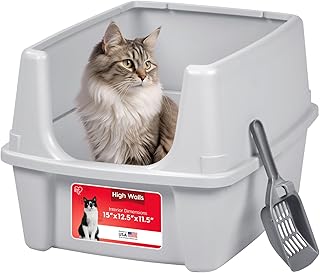 Cat Litter Box · Reference 01A litter-management enclosure direction where pet access, usable interior volume, scatter control, cleaning reach, odor-management architecture, structural stability, and home footprint shape buyer choice.
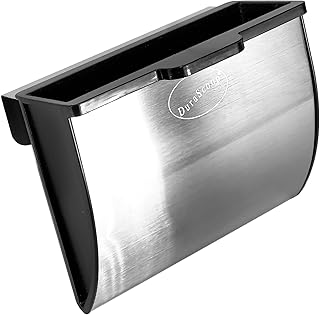 Cat Litter Scoop · Reference 01The scoop and box should be developed as a compatible maintenance system covering corners, wall height, sifting behavior, storage, and cleaning.
Add this SKU to an inquiry
Typical concepts may include open trays, high-wall boxes, hooded enclosures, top-entry layouts, drawer or liner systems, and coordinated scoop-storage formats.
Add this SKU to an inquiry