
Plastic & Electronics · MGT-FH-006-01
Airtight Pet Food Container · Reference 01
A dry-pet-food storage direction where closure design, moisture and odor management, cleanable geometry, handling, and shelf footprint guide product development.
Add this SKU to an inquiry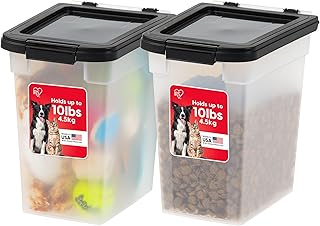
01
Technical snapshot
- Typical material system
- A rigid molded polymer container may use a flexible gasket and hinged or removable closure; a metal-hybrid outer direction is also possible, with all interfaces confirmed by project.
- Typical process route
- Typical routes include body and lid molding or forming, closure and gasket assembly, fit and handling review, cleanability inspection, and shipping-stack validation.
- Key buyer decision
- Choose usable capacity, opening style, closure feel, mobility, nesting or stacking strategy, and cleaning routine as one storage system.
02
Reference variant observation
The image shows two tall rectangular containers with transparent walls, dark hinged lids, front labels, and small lower rollers.
The image is a market-reference input. Visible form may inform planning, but it does not confirm material, construction, performance, ownership or compliance.
Planning questions
- Which visible form and component arrangement should the buyer brief retain?
- Which opening, closure, carry, or presentation detail should sampling compare first?
03
Material options
Material comparison
| Material selection | Typical material system | Trade-offs |
|---|---|---|
| Rigid molded polymer container | A molded polymer body may integrate handles, wheels, ribs, windows, and closure features, subject to wall design, resin direction, and cleaning needs. |
|
| Metal-hybrid outer container | A formed metal outer body may provide a furniture or appliance-led appearance, paired with project-specific liner, lid, gasket, and joining choices. |
|
04
Manufacturing route
- 01
Define usable capacity, opening, closure, handling, stack, and cleaning requirements.
- 02
Mold or form body and lid components with controlled mating geometry and reinforcement.
- 03
Assemble closure, hinge, gasket, handle, wheels, scoop holder, or liner according to the selected architecture.
- 04
Review lid fit, repeated handling, cleaning reach, assembled stability, stack behavior, and protective packaging.
05
Design for manufacturing
- Large wall panels should use balanced thickness and reinforcement to limit oil-canning or distortion.
- Lid and gasket interfaces should maintain even contact without excessive closing force.
- Interior corners and removable parts should support practical wiping, washing, draining, and drying.
06
Quality controls
- Risk
- Body or lid distortion may reduce fit and create unstable stacking.
- Control point
- Use approved dimensional and fit checkpoints after conditioning and representative assembly.
- Risk
- Uneven gasket seating or closure alignment may create inconsistent closure feel.
- Control point
- Inspect gasket continuity, hinge or latch alignment, and opening-closing sequence against the approved sample.
- Risk
- Handles, wheels, or accessory holders may loosen or interfere with cleaning and packing.
- Control point
- Verify attachment seating, movement clearance, cleaning reach, and packed protection on representative assemblies.
07
Customization scope
- Dimensions, capacity, and component layout
- Color, surface appearance, and branding position
- Retail packaging, accessory set, and assortment format
08
Buyer checklist
- Confirm the target market, channel, and intended use environment.
- Confirm the pet size range and the required product dimensions or capacity.
- Select the preferred material direction and finish through specification and sample review.
- Define project-specific testing and documentation requirements before tooling or bulk production.
09
Buyer FAQ
Are these materials the confirmed production specification?
No. They are typical engineering options for development reference; final material, construction, testing, and compliance requirements should be confirmed through the approved specification and sample.
What should a buyer confirm before sampling?
Confirm use conditions, dimensions, material direction, cleaning expectations, branding, packaging, and any market-specific testing or documentation needs.
10
Related products
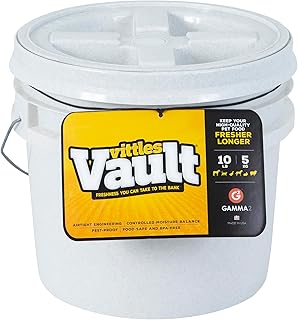 Airtight Pet Food Container · Reference 02A dry-pet-food storage direction where closure design, moisture and odor management, cleanable geometry, handling, and shelf footprint guide product development.
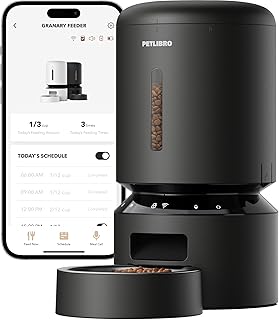 Automatic Pet Feeder · Reference 01Storage and dispensing should be planned together when buyers want coordinated refill, capacity, appearance, and dry-food handling.
Add this SKU to an inquiry
Typical programs may include countertop containers, bulk floor bins, scoop-integrated formats, or stackable storage assortments.
Add this SKU to an inquiry