
Wood Products
Wood Product Engineering
Plywood, MDF and solid wood are distinct construction options. Panel lay-up, moisture condition, grain direction, edge treatment, joints and finish should be selected as one system and confirmed by specification and sample.
Discuss a material-led project01
Typical applications
Cat furniture and climbing structures
Pet stairs, platforms and home accessories
Wood-faced toys and feeding accessories
02
Material selection
| Material selection | Typical material system | Trade-offs |
|---|---|---|
| Plywood | A typical layered-panel option when directional structure, workability and fastener planning are important. |
|
| Medium-density fibreboard (MDF) | A typical machined-panel option for controlled flat surfaces and decorative finishing when the specified board suits the use environment. |
|
| Solid wood | A typical option when natural grain and shaped solid members are central to the concept, with species and moisture condition documented. |
|
03
Manufacturing route
- 01
Confirm substrate, thickness, moisture condition, finish and connection concept.
- 02
Condition and inspect boards or members before cutting.
- 03
Cut, machine and drill with grain, edge quality and fastener layout controlled.
- 04
Seal edges, apply the approved finish and assemble the defined joints.
- 05
Inspect dimensions, flatness, joints, finish and pack-out against the approved sample.
04
Design rules
- Design joints and fastener spacing around the load path and selected wood product.
- Allow for moisture-related movement and avoid trapping moisture at exposed edges or joints.
- Balance laminated faces and backs where flatness is critical.
- Round accessible edges and define customer assembly so exposed fasteners and instability are controlled.
05
Quality controls
- Risk
- Wrong panel or moisture condition may change machining and fit.
- Control point
- Verify material identity, thickness, condition and lot before machining.
- Risk
- Edges may chip, swell or show inconsistent finish.
- Control point
- Approve machining, sanding and edge-sealing standards on representative panels.
- Risk
- Joint looseness or poor fastener placement may reduce stability.
- Control point
- Use assembly fixtures and project-specific fit, torque and stability checks.
- Risk
- Unbalanced surfacing may contribute to distortion.
- Control point
- Control substrate, face and back build-up, adhesive application and pressing conditions.
06
Relevant products
 Cat Tree · Reference 01
 Cat Tree · Reference 02
 Pet Stairs · Reference 01
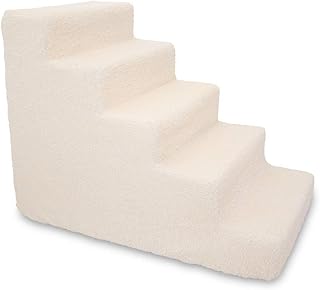 Pet Stairs · Reference 02
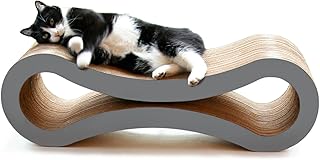 Cat Scratcher · Reference 01
 Cat Scratcher · Reference 02
07
Buyer FAQ
Is plywood always better than MDF?
No. They support different geometry, surface, edge, joint and cost-positioning choices. The suitable option depends on the approved design and use environment.
Can the finish hide an unsuitable substrate?
No. Substrate, edge treatment, moisture exposure and finish must be developed together.
What should be confirmed before sampling?
Confirm substrate, thickness, finish, dimensions, load path, joint type, assembly method, pack-out and required documentation.
Discuss a material-led project
Plywood, MDF and solid wood are distinct construction options. Panel lay-up, moisture condition, grain direction, edge treatment, joints and finish should be selected as one system and confirmed by specification and sample.
Discuss a material-led project