
Silicone Products
Silicone Product Engineering
Silicone elastomers and thermoplastic elastomers are typical flexible-product options, but they use different tooling, curing or remelting routes. Selection should begin with the use environment, tactile target, geometry, cleaning plan and approved specification rather than appearance alone.
Discuss a material-led project01
Typical applications
Flexible feeding and enrichment forms
Grip, seal, bumper and overmold components
Flexible toys and handling accessories
02
Material selection
| Material selection | Typical material system | Trade-offs |
|---|---|---|
| High-consistency silicone rubber | A typical engineering option for compression- or injection-molded flexible parts where compound preparation, curing and demolding can be controlled. |
|
| Liquid silicone rubber (LSR) | A typical metered two-part, heat-cured option for liquid injection molding when repeatable dosing, closed tooling and suitable part design are planned. |
|
| Thermoplastic elastomer or TPU | A typical thermoplastic alternative when injection molding, extrusion, welding or overmolding within a thermoplastic assembly is preferred. |
|
Buyer evidence path
- 01
Define intended contact, use environment, cleaning method, temperature exposure, geometry and tactile target before comparing material families.
- 02
Request the exact compound or grade designation and current technical documentation for the proposed material. A generic “silicone” description or an image does not establish the grade or its properties.
- 03
Approve finished-product checks on representative parts against the project specification and target market, including dimensions, fit, cleaning, appearance and any separately defined performance or compliance tests. Supplier material data does not by itself validate the finished product.
03
Manufacturing route
- 01
Confirm the use environment, geometry, tactile target and material family in the buyer brief.
- 02
Prepare, meter, mix or dry the selected material according to its verified processing documentation.
- 03
Form the part through the approved compression, liquid injection, thermoplastic injection or extrusion route.
- 04
Control cure or cooling, then demold without overstressing thin features or undercuts.
- 05
Trim, assemble if required, inspect against the approved sample, clean and pack using the agreed handling method.
04
Design rules
- Use deliberate wall transitions and parting-line placement to reduce avoidable fill, cure, flash and finishing risks.
- Review draft, undercuts, ejector or demolding access and local stretch with the selected material and tooling route.
- Specify texture, radii and drainage so the approved cleaning method can reach product-contact and recess areas.
- For overmolding or inserts, validate substrate adhesion, thermal exposure, mechanical retention and assembly tolerance before release.
05
Quality controls
- Risk
- Material preparation or mixing variation may change cure or molding behavior.
- Control point
- Define incoming identity, lot traceability, preparation records and first-piece approval for the selected material.
- Risk
- Flash, short fill, trapped air or visible parting lines may affect function and appearance.
- Control point
- Agree visual zones and limits, then monitor fill, venting, tooling condition and trimming against the approved sample.
- Risk
- Cooling, cure or demolding variation may produce dimensional drift or deformation.
- Control point
- Set project-specific conditioning time, measurement points and functional fit checks before defining production limits.
- Risk
- Color, texture or surface contamination may vary between approved and production parts.
- Control point
- Use controlled color references, lighting, handling and cleaning criteria, with acceptance confirmed on representative samples.
06
Relevant products
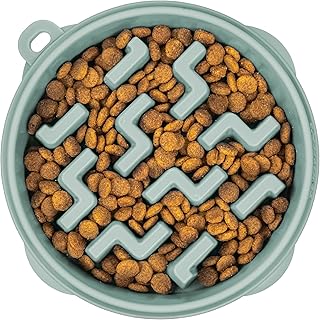 Slow-Feed Pet Bowl · Reference 01MGT-FH-002-01
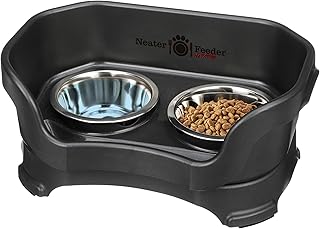 Slow-Feed Pet Bowl · Reference 02MGT-FH-002-02
 Treat-Dispensing Puzzle Toy · Reference 01MGT-TE-038-01
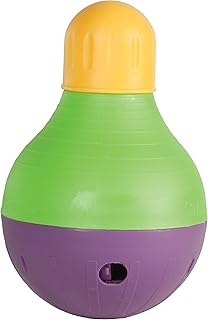 Treat-Dispensing Puzzle Toy · Reference 02MGT-TE-038-02
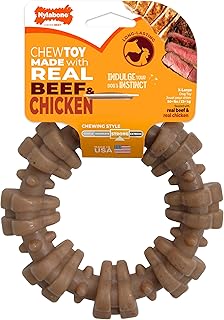 Dog Chew Toy · Reference 01MGT-TE-029-01
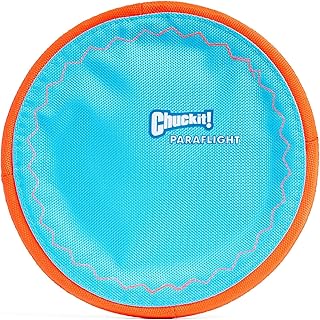 Dog Flying Disc · Reference 01MGT-TE-033-01
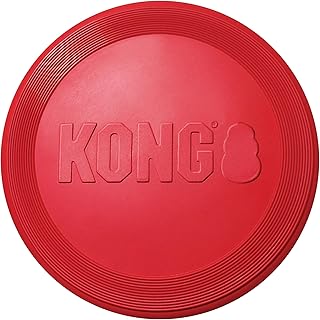 Dog Flying Disc · Reference 02MGT-TE-033-02
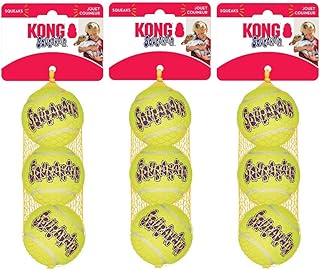 Dog Ball Toy · Reference 02MGT-TE-032-02
07
Buyer FAQ
Is silicone always the best flexible material?
No. Silicone, LSR and thermoplastic elastomers use different process and assembly routes. The typical option should be selected from the buyer brief and then confirmed by specification and sample.
Can the image confirm the silicone type or hardness?
No. Appearance cannot confirm compound family, hardness, cure system or performance. These remain project variables until documented and sampled.
What should a buyer confirm before tooling?
Confirm intended use, target market, dimensions, tactile range, color, cleaning path, mating parts, branding and required project documentation. Testing and compliance requirements must be defined separately.
Discuss a material-led project
Silicone elastomers and thermoplastic elastomers are typical flexible-product options, but they use different tooling, curing or remelting routes. Selection should begin with the use environment, tactile target, geometry, cleaning plan and approved specification rather than appearance alone.
Discuss a material-led project