
Silicone Products · MGT-FH-002-02
Slow-Feed Pet Bowl · Reference 02
A feeding-control direction that uses internal geometry to influence access patterns while keeping cleaning and pet-size fit central to development.
Add this SKU to an inquiry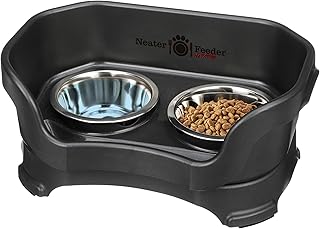
01
Technical snapshot
- Typical material system
- A flexible molded silicone family or a rigid molded polymer family may be considered; geometry, hardness, surface texture, and cleaning access require sample confirmation.
- Typical process route
- Typical routes include geometry development, molding, trimming, optional multi-material assembly, cleaning review, and inspection.
- Key buyer decision
- Choose a challenge level, channel format, pet-size range, and cleaning expectation before fixing maze depth and spacing.
02
Reference variant observation
The image shows two round bowls set into a deep rectangular station with a raised back and corner feet.
The image is a market-reference input. Visible form may inform planning, but it does not confirm material, construction, performance, ownership or compliance.
Planning questions
- Which alternative visible form or layout should be carried into the comparison brief?
- Which visible interface or presentation detail needs a side-by-side sample review?
03
Material options
Material comparison
| Material selection | Typical material system | Trade-offs |
|---|---|---|
| Flexible molded silicone family | A silicone family may support a flexible, quiet, and foldable direction, subject to compound, hardness, geometry, and approved specification. |
|
| Rigid molded polymer family | A rigid molded polymer may support crisp maze definition, integrated color, and stable stacking, with resin and geometry selected for the project. |
|
04
Manufacturing route
- 01
Define the feeding path, pet-size range, and cleanable minimum spacing for concept sampling.
- 02
Develop moldable wall, draft, radius, and maze geometry for the selected material family.
- 03
Mold, cure or cool, demold, and trim the sampled parts under controlled conditions.
- 04
Review stability, access pattern, cleaning reach, drying, odor, appearance, and packaging before approval.
05
Design for manufacturing
- Maze spacing and height should match the intended pet-size range without creating inaccessible cleaning gaps.
- Wall transitions and ribs should be balanced to reduce local distortion, sink, or tearing during demolding.
- The base should remain stable on the intended floor while allowing water to drain after cleaning.
06
Quality controls
- Risk
- Inconsistent maze geometry may create uneven feeding access or visual mismatch.
- Control point
- Use approved dimensional checkpoints and a visual master for critical ribs, gaps, and overall flatness.
- Risk
- Flash, sharp transitions, or trimming defects may reduce handling and cleaning quality.
- Control point
- Define touch-safe edge criteria and inspect all molded paths and trimmed areas.
- Risk
- Base distortion may cause sliding, rocking, or uneven contact.
- Control point
- Review base flatness and grip performance on representative surfaces during sample approval.
07
Customization scope
- Dimensions, capacity, and component layout
- Color, surface appearance, and branding position
- Retail packaging, accessory set, and assortment format
08
Buyer checklist
- Confirm the target market, channel, and intended use environment.
- Confirm the pet size range and the required product dimensions or capacity.
- Select the preferred material direction and finish through specification and sample review.
- Define project-specific testing and documentation requirements before tooling or bulk production.
09
Buyer FAQ
Are these materials the confirmed production specification?
No. They are typical engineering options for development reference; final material, construction, testing, and compliance requirements should be confirmed through the approved specification and sample.
What should a buyer confirm before sampling?
Confirm use conditions, dimensions, material direction, cleaning expectations, branding, packaging, and any market-specific testing or documentation needs.
10
Related products
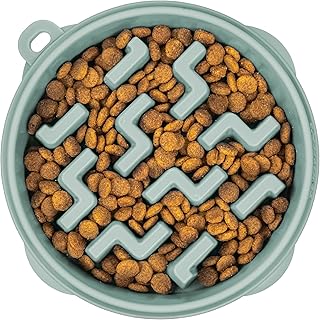 Slow-Feed Pet Bowl · Reference 01A feeding-control direction that uses internal geometry to influence access patterns while keeping cleaning and pet-size fit central to development.
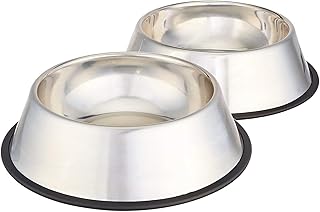 Stainless Steel Pet Bowl · Reference 01A conventional bowl provides a useful baseline for comparing feeding access, cleaning, material feel, and assortment positioning.
Add this SKU to an inquiry
Typical programs may address dry-food routines, enrichment-led feeding, travel formats, or coordinated bowl-and-mat assortments.
Add this SKU to an inquiry