
Silicone Products · MGT-TE-038-01
Treat-Dispensing Puzzle Toy · Reference 01
A treat-dispensing puzzle can combine paced feeding with repeatable problem-solving play.
Add this SKU to an inquiry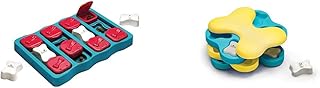
01
Technical snapshot
- Typical material system
- Typical options combine a rigid molded puzzle body with flexible grip, flap or bumper elements.
- Typical process route
- Typical development covers molded parts, secondary finishing, mechanism assembly and functional inspection.
- Key buyer decision
- Confirm pet size, food-piece range, target difficulty, cleaning method and acceptable loose-part strategy.
02
Reference variant observation
The image presents two compact puzzle layouts: a rectangular grid with sliding covers and a rounded flower-like unit with several lobes.
The image is a market-reference input. Visible form may inform planning, but it does not confirm material, construction, performance, ownership or compliance.
Planning questions
- Which visible form and component arrangement should the buyer brief retain?
- Which opening, closure, carry, or presentation detail should sampling compare first?
03
Material options
Material comparison
| Material selection | Typical material system | Trade-offs |
|---|---|---|
| Rigid thermoplastic body | A typical option for repeatable channels, sliders and molded feeding cavities. |
|
| Flexible elastomer elements | A typical option for grips, flexible covers, bumpers or tactile interaction zones. |
|
04
Manufacturing route
- 01
Define treat geometry, interaction sequence and cleaning access before detailing parts.
- 02
Mold rigid and flexible components through the approved material routes.
- 03
Finish contact edges and assemble sliders, covers or retainers in the defined sequence.
- 04
Inspect movement, food release, cleaning access and pack-out against the approved sample.
05
Design for manufacturing
- Balance channel depth and opening size so food moves without creating inaccessible traps.
- Locate parting lines and gates away from tactile and food-path edges where practical.
- Design moving parts for controlled clearance, retention and assembly access.
06
Quality controls
- Risk
- Warp or dimensional drift may make sliders bind or covers misalign.
- Control point
- Check datum dimensions and complete movement after conditioning representative parts.
- Risk
- Burrs, flash or sharp transitions may affect handling and cleaning.
- Control point
- Define visual and tactile edge criteria and inspect contact zones against the approved sample.
- Risk
- An inconsistent opening or mechanism can change release behavior.
- Control point
- Use agreed reference food pieces for repeatable functional checks during development and inspection.
07
Customization scope
- Puzzle layout, opening pattern and difficulty sequence
- Color system, surface texture and branding location
- Pack format, instruction content and assortment configuration
08
Buyer checklist
- Define intended pet size and supervised-use scenario.
- Provide representative food-piece dimensions and target challenge level.
- Confirm cleaning, packaging, labeling and project documentation requirements.
09
Buyer FAQ
Can appearance confirm the material system?
No. The material family, construction and test plan remain development choices until approved by specification and sample.
What most affects puzzle difficulty?
Opening geometry, movement resistance, food format and interaction sequence are typical variables to evaluate with representative samples.
10
Related products
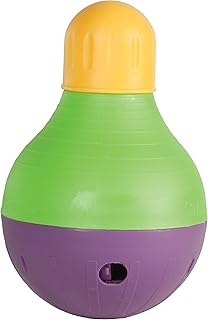 Treat-Dispensing Puzzle Toy · Reference 02
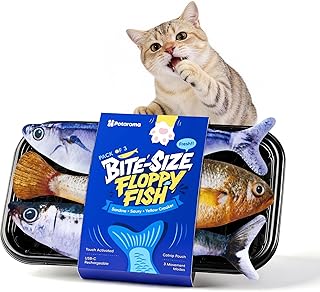 Interactive Pet Toy · Reference 01
Add this SKU to an inquiry
Suitable for indoor enrichment ranges where difficulty, cleaning access and treat format are defined in the buyer brief.
Add this SKU to an inquiry