
Metal & Hybrid Products
Metal and Hybrid Product Engineering
Stainless, coated carbon steel and mixed-material assemblies offer different corrosion, finish, forming, joining and cost positions. Grade, surface and joint selection must follow the use environment and approved specification.
Discuss a material-led project01
Typical applications
Bowls and feeding stands
Crates, pens and gates
Strollers and mixed-material systems
02
Material selection
| Material selection | Typical material system | Trade-offs |
|---|---|---|
| 304-type austenitic stainless option | A typical general-purpose stainless option, subject to environment and specification review. |
|
| 201-type lower-nickel stainless option | A typical alternative where alloy strategy and cost position are reviewed against the service environment. |
|
| Coated steel or mixed-material assembly | A typical structural option when frame stiffness, color and integration with plastics or textiles are central. |
|
03
Manufacturing route
- 01
Confirm environment, grade family, gauge, finish and joint plan.
- 02
Inspect, cut and form material with contamination and edge control.
- 03
Weld, mechanically fasten or bond using the approved joint route.
- 04
Finish and clean fabricated surfaces with the specified method.
- 05
Assemble, inspect stability and finish, then pack against the approved sample.
04
Design rules
- Select grade and finish from the actual environment, not appearance alone.
- Control edges, pinch points, weld access and distortion in the geometry.
- Separate dissimilar materials or validate their interface and drainage.
- Keep fasteners, joints and cleaning zones accessible for inspection.
05
Quality controls
- Risk
- Material or finish substitution may change corrosion behavior.
- Control point
- Verify grade, gauge, finish and lot before fabrication.
- Risk
- Weld heat, spatter or distortion may affect fit and finish.
- Control point
- Use approved fixtures, weld sequence and post-weld inspection.
- Risk
- Surface contamination or damage may reduce appearance and corrosion margin.
- Control point
- Control handling, dedicated tools, cleaning and visual acceptance.
- Risk
- Loose joints or coating damage may develop at mixed-material interfaces.
- Control point
- Validate surface preparation, joint geometry, assembly and representative functional checks.
06
Relevant products
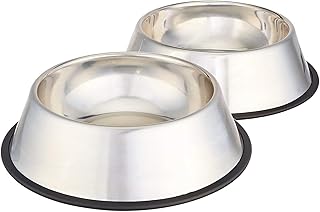 Stainless Steel Pet Bowl · Reference 01MGT-FH-001-01
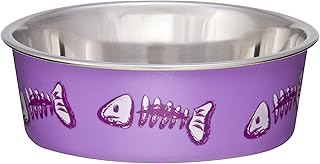 Stainless Steel Pet Bowl · Reference 02MGT-FH-001-02
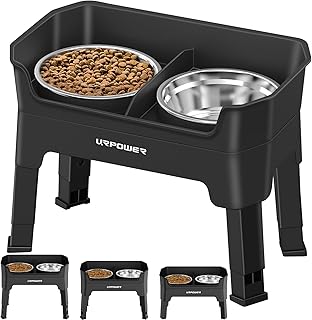 Elevated Pet Bowl · Reference 01MGT-FH-003-01
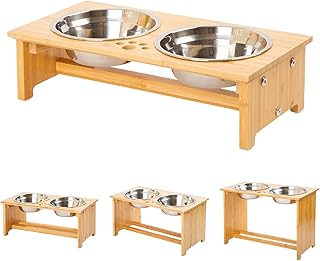 Elevated Pet Bowl · Reference 02MGT-FH-003-02
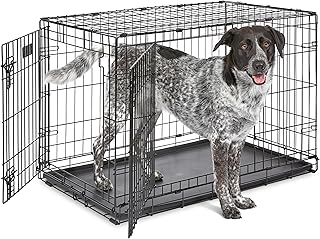 Folding Pet Crate · Reference 01MGT-HT-051-01
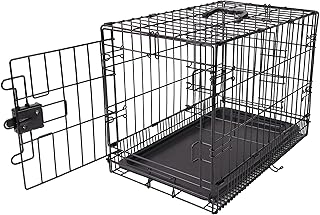 Folding Pet Crate · Reference 02MGT-HT-051-02
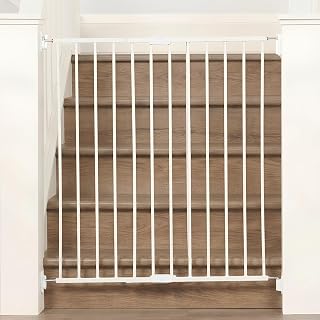 Pet Safety Gate · Reference 01MGT-HT-052-01
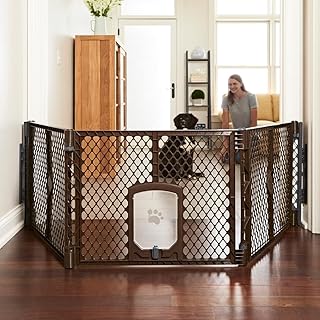 Pet Safety Gate · Reference 02MGT-HT-052-02
 Pet Stroller · Reference 01MGT-TT-016-01
 Pet Stroller · Reference 02MGT-TT-016-02
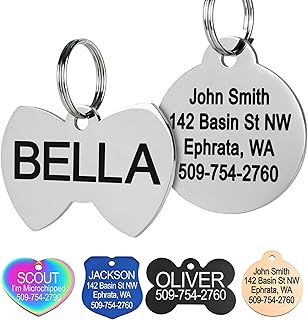 Pet ID Tag · Reference 01MGT-WC-011-01
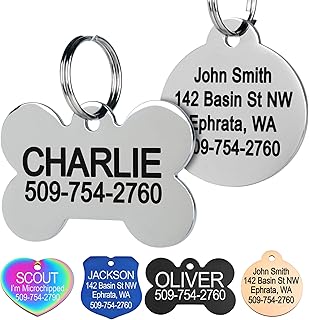 Pet ID Tag · Reference 02MGT-WC-011-02
07
Buyer FAQ
Is 304 always required?
No. Grade selection depends on environment, design, fabrication, finish and project requirements. No grade is assumed from an image.
Can coated steel replace stainless?
Sometimes as a development option, but coating continuity, edges, joints, environment and maintenance must be validated.
What must be confirmed before sampling?
Confirm environment, material family, gauge, finish, geometry, joint route, paired materials, cleaning and validation plan.
Discuss a material-led project
Stainless, coated carbon steel and mixed-material assemblies offer different corrosion, finish, forming, joining and cost positions. Grade, surface and joint selection must follow the use environment and approved specification.
Discuss a material-led project