
Textile Products · MGT-WC-008-01
Everyday Pet Leash · Reference 01
A development reference for Pet Leash programs focused on everyday controlled walking and coordinated collar or harness assortments. Material, construction, dimensions and testing remain project decisions.
Add this SKU to an inquiry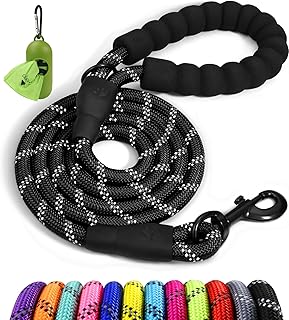
01
Technical snapshot
- Typical material system
- Typical options include polyester webbing, polyamide webbing, stainless-steel hardware. The final system is selected against the buyer brief and approved sample.
- Typical process route
- webbing identification -> length cutting and edge control -> reinforcement sewing -> hardware assembly -> dimensional and functional inspection
- Key buyer decision
- Confirm finished length, handle format, target pet size, clip interface and expected use environment.
02
Reference variant observation
The image shows a coiled braided lead with a thick loop handle, a swivel hook, and a small hanging accessory.
The image is a market-reference input. Visible form may inform planning, but it does not confirm material, construction, performance, ownership or compliance.
Planning questions
- Which visible form and component arrangement should the buyer brief retain?
- Which opening, closure, carry, or presentation detail should sampling compare first?
03
Material options
Material comparison
| Material selection | Typical material system | Trade-offs |
|---|---|---|
| polyester webbing | polyester webbing may suit Pet Leash when a stable woven strap, broad color range and repeatable sewing route are desired. |
|
| polyamide webbing | polyamide webbing may suit Pet Leash when a supple strap feel and compact high-density weave are being explored. |
|
| stainless-steel hardware | stainless-steel hardware may suit Pet Leash when small connectors, rings or fasteners need a metal option selected with finish and environment in mind. |
|
04
Manufacturing route
- 01
Confirm webbing fibre name, width, thickness, hand feel, color and hardware interface.
- 02
Cut lengths and control exposed edges using the project-defined finishing method.
- 03
Form loops and reinforcement zones with specified overlap, stitch pattern and thread.
- 04
Assemble rings, adjusters, clips and labels while controlling orientation and sharp edges.
- 05
Inspect finished length, adjustment travel, closure engagement and workmanship against the approved sample.
05
Design for manufacturing
- Match webbing width and thickness to every adjuster, ring and clip interface.
- Keep reinforced folds clear of adjustment travel and primary body-contact zones.
- Control twist direction and hardware orientation so the assembly lies predictably in use.
- Design exposed edges, labels and stitch tails to avoid rough contact points.
06
Quality controls
- Risk
- Webbing width or thickness variation may cause adjuster slip or difficult movement.
- Control point
- Control incoming webbing dimensions and verify movement with production-representative hardware.
- Risk
- Incomplete reinforcement stitching may weaken a load-transfer junction.
- Control point
- Define critical stitch patterns and inspect their placement and completeness during production.
- Risk
- Burrs, plating defects or rough edges on hardware may damage webbing or affect handling.
- Control point
- Apply an incoming visual and tactile standard to hardware and inspect assembled contact paths.
- Risk
- Incorrect hardware orientation may limit adjustment or cause twisting.
- Control point
- Use assembly fixtures or visual standards and verify the complete adjustment path.
07
Customization scope
- overall length, handle geometry and traffic-handle option
- webbing width, clip style and reflective or decorative trim
- color standards, branding method and visible finish boundaries
- retail pack format, assortment quantity, labels and buyer-supplied documentation
08
Buyer checklist
- intended pet size, behavior and use scenario for the Pet Leash
- critical finished dimensions, fit method and acceptable dimensional tolerance
- preferred material direction, cleaning method, appearance standard and approved sample
- target market and channel, required tests or documents, packaging and expected project volume
09
Buyer FAQ
Which material is best for this Pet Leash?
There is no universal best option. Select against the use environment, cleaning route, tactile and appearance brief, structural interfaces, packaging and target cost, then confirm the choice with an approved sample.
What should be resolved before the first sample?
Start with the intended use, critical dimensions, preferred construction, material candidates, component interfaces, cleaning method, visible finish, branding and pack format. For this family, the key decision is: Confirm finished length, handle format, target pet size, clip interface and expected use environment.
How is quality controlled without treating guidance as a confirmed specification?
Convert the selected options into measurable project requirements, approve a representative sample, define incoming, in-process and final inspection points, and retain material and lot traceability required by the buyer.
10
Related products
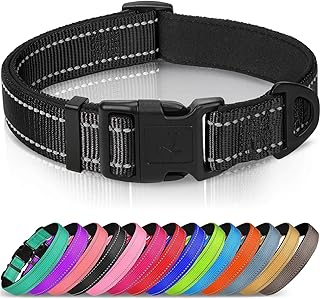 Everyday Pet Collar · Reference 02
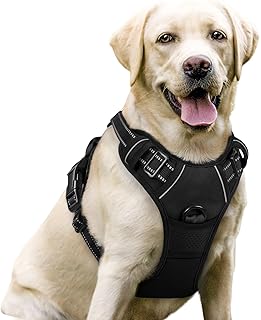 No-Pull Pet Harness · Reference 01
Add this SKU to an inquiry
everyday controlled walking and coordinated collar or harness assortments
Add this SKU to an inquiry