
Plastic & Electronics · MGT-TT-019-02
Pet Travel Kennel · Reference 02
A development reference for Pet Transport Crate programs focused on rigid pet transport concepts where shell geometry, ventilation, closures and buyer-specified transport rules must be coordinated. Material, construction, dimensions and testing remain project decisions.
Add this SKU to an inquiry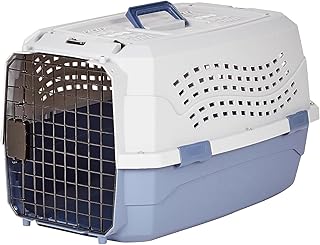
01
Technical snapshot
- Typical material system
- Typical options include injection-molded polypropylene, injection-molded ABS, coated carbon-steel structure. The final system is selected against the buyer brief and approved sample.
- Typical process route
- resin and component definition -> mold and part preparation -> injection molding -> mechanism and hardware assembly -> functional and appearance inspection
- Key buyer decision
- Confirm internal dimensions, shell split, door construction, ventilation layout, fasteners and the exact carrier rules of the target channel; no airline acceptance is implied.
02
Reference variant observation
The image shows a long two-tone travel box with a rectangular bar-grid door, top handle, side latches, and curved rows of ventilation slots.
The image is a market-reference input. Visible form may inform planning, but it does not confirm material, construction, performance, ownership or compliance.
Planning questions
- Which alternative visible form or layout should be carried into the comparison brief?
- Which visible interface or presentation detail needs a side-by-side sample review?
03
Material options
Material comparison
| Material selection | Typical material system | Trade-offs |
|---|---|---|
| injection-molded polypropylene | injection-molded polypropylene may suit Pet Transport Crate when an integrated thermoplastic shell or connector with repeatable molded geometry is desired. |
|
| injection-molded ABS | injection-molded ABS may suit Pet Transport Crate when a rigid molded housing with controlled surface detail is being evaluated. |
|
| coated carbon-steel structure | coated carbon-steel structure may suit Pet Transport Crate when a rigid frame, formed wire or tube construction and controlled surface finish are needed. |
|
04
Manufacturing route
- 01
Confirm resin family, surface target, moving interfaces and component stack before tool release.
- 02
Develop molded geometry with appropriate wall transitions, draft, ribs and controlled parting lines.
- 03
Mold parts using project-approved process settings and retain representative samples for assembly review.
- 04
Assemble springs, metal contacts, buttons, straps or labels in a controlled sequence.
- 05
Inspect actuation, sound or movement consistency, surface quality and packaging protection.
05
Design for manufacturing
- Keep wall transitions gradual and place ribs or bosses to support function without unnecessary sink risk.
- Provide draft and parting-line placement that protect tactile and visible surfaces.
- Control clearances at moving features to balance reliable actuation and unwanted play.
- Design service or assembly access without creating exposed sharp edges or loose small parts.
06
Quality controls
- Risk
- Molded warpage or dimensional drift may change mechanism alignment.
- Control point
- Measure critical interfaces and verify assembled function on representative molded lots.
- Risk
- Flash, gate vestige or rough parting lines may affect handling.
- Control point
- Define tactile and visual acceptance criteria for user-contact surfaces.
- Risk
- Spring, button or connector variation may produce inconsistent actuation.
- Control point
- Control incoming components and run a project-defined functional check after assembly.
- Risk
- Loose components or label placement may interfere with use or retail presentation.
- Control point
- Inspect assembly completeness, label position and pack restraint at final inspection.
07
Customization scope
- internal size, shell split, door opening and ventilation pattern
- handle, fastener, latch and removable-floor component configuration
- color standards, branding method and visible finish boundaries
- retail pack format, assortment quantity, labels and buyer-supplied documentation
08
Buyer checklist
- intended pet size, behavior and use scenario for the Pet Transport Crate
- critical finished dimensions, fit method and acceptable dimensional tolerance
- preferred material direction, cleaning method, appearance standard and approved sample
- target market and channel, required tests or documents, packaging and expected project volume
09
Buyer FAQ
Which material is best for this Pet Transport Crate?
There is no universal best option. Select against the use environment, cleaning route, tactile and appearance brief, structural interfaces, packaging and target cost, then confirm the choice with an approved sample.
What should be resolved before the first sample?
Start with the intended use, critical dimensions, preferred construction, material candidates, component interfaces, cleaning method, visible finish, branding and pack format. For this family, the key decision is: Confirm internal dimensions, shell split, door construction, ventilation layout, fasteners and the exact carrier rules of the target channel; no airline acceptance is implied.
How is quality controlled without treating guidance as a confirmed specification?
Convert the selected options into measurable project requirements, approve a representative sample, define incoming, in-process and final inspection points, and retain material and lot traceability required by the buyer.
10
Related products
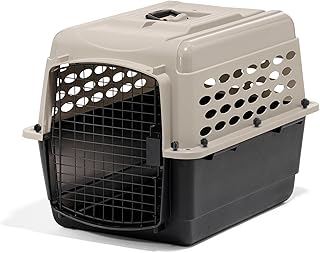 Pet Travel Kennel · Reference 01A development reference for Pet Transport Crate programs focused on rigid pet transport concepts where shell geometry, ventilation, closures and buyer-specified transport rules must be coordinated. Material, construction, dimensions and testing remain project decisions.
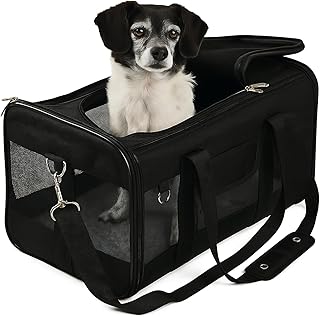 Soft-Sided Pet Carrier · Reference 01Pet Travel Bag is a complementary family for use-case, material-platform or coordinated-assortment planning.
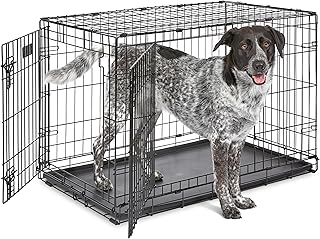 Folding Pet Crate · Reference 01Pet Crate is a complementary family for use-case, material-platform or coordinated-assortment planning.
Add this SKU to an inquiry
rigid pet transport concepts where shell geometry, ventilation, closures and buyer-specified transport rules must be coordinated
Add this SKU to an inquiry