
Textile Products · MGT-TT-017-02
Pet Car Booster Seat · Reference 02
A development reference for Pet Car Seat programs focused on vehicle-seat containment and interior-protection concepts subject to project-specific restraint design. Material, construction, dimensions and testing remain project decisions.
Add this SKU to an inquiry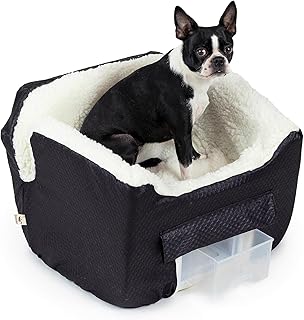
01
Technical snapshot
- Typical material system
- Typical options include woven polyester, coated woven textile, polyester spacer mesh. The final system is selected against the buyer brief and approved sample.
- Typical process route
- textile identification -> pattern cutting -> cover sewing -> insert or fill assembly -> final inspection and pack-out
- Key buyer decision
- Confirm vehicle placement, pet compartment dimensions, seat attachment layout, restraint interface and cleaning method; no crash performance is implied.
02
Reference variant observation
The image shows a deep rectangular booster basket with high side walls, a lowered front edge, exterior mesh pocket, and a drawer-like box below.
The image is a market-reference input. Visible form may inform planning, but it does not confirm material, construction, performance, ownership or compliance.
Planning questions
- Which alternative visible form or layout should be carried into the comparison brief?
- Which visible interface or presentation detail needs a side-by-side sample review?
03
Material options
Material comparison
| Material selection | Typical material system | Trade-offs |
|---|---|---|
| woven polyester | woven polyester may suit Pet Car Seat when repeatable color, surface and construction options are needed. |
|
| coated woven textile | coated woven textile may suit Pet Car Seat when surface wipeability and outdoor-use planning are important. |
|
| polyester spacer mesh | polyester spacer mesh may suit Pet Car Seat when airflow, padding distribution and low-bulk construction are useful design directions. |
|
04
Manufacturing route
- 01
Confirm generic fibre names, fabric construction, color standard and care concept before cutting.
- 02
Develop pattern pieces with seam allowance, opening placement and dimensional tolerances appropriate to the insert.
- 03
Sew load-bearing seams and edge finishes using project-defined thread, stitch and reinforcement settings.
- 04
Assemble removable inserts or controlled filling chambers and verify access for cleaning.
- 05
Inspect dimensions, seam security, appearance and packaging recovery on representative samples.
05
Design for manufacturing
- Separate the washable cover from inserts where the intended care path benefits from independent cleaning.
- Place seams, zippers and closures away from primary pressure or chewing zones where practical.
- Use chambering or attachment points to limit insert movement without creating difficult-to-clean traps.
- Model compression and pack-out so the product can recover its intended form after transport.
06
Quality controls
- Risk
- Seam opening or skipped stitches may reduce structural integrity.
- Control point
- Define seam construction and inspect critical seams during production and final review.
- Risk
- Fill or insert migration may create uneven support or appearance.
- Control point
- Review chamber layout, attachment points and recovery after representative handling.
- Risk
- Dimensional variation may affect insert fit, closures and shelf presentation.
- Control point
- Use approved patterns, in-process measurement and a finished-product dimensional check.
- Risk
- Cleaning may alter hand feel, color or shape if the care path is not validated.
- Control point
- Confirm care instructions through representative material and assembled-product samples.
07
Customization scope
- seat footprint, wall height and entry geometry
- vehicle attachment straps, internal tether interface and removable liner
- color standards, branding method and visible finish boundaries
- retail pack format, assortment quantity, labels and buyer-supplied documentation
08
Buyer checklist
- intended pet size, behavior and use scenario for the Pet Car Seat
- critical finished dimensions, fit method and acceptable dimensional tolerance
- preferred material direction, cleaning method, appearance standard and approved sample
- target market and channel, required tests or documents, packaging and expected project volume
09
Buyer FAQ
Which material is best for this Pet Car Seat?
There is no universal best option. Select against the use environment, cleaning route, tactile and appearance brief, structural interfaces, packaging and target cost, then confirm the choice with an approved sample.
What should be resolved before the first sample?
Start with the intended use, critical dimensions, preferred construction, material candidates, component interfaces, cleaning method, visible finish, branding and pack format. For this family, the key decision is: Confirm vehicle placement, pet compartment dimensions, seat attachment layout, restraint interface and cleaning method; no crash performance is implied.
How is quality controlled without treating guidance as a confirmed specification?
Convert the selected options into measurable project requirements, approve a representative sample, define incoming, in-process and final inspection points, and retain material and lot traceability required by the buyer.
10
Related products
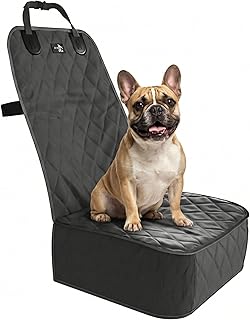 Pet Car Seat Cover · Reference 01
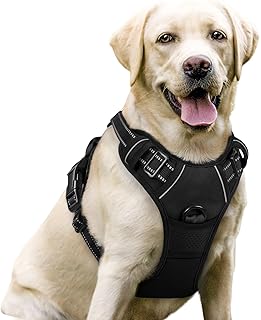 No-Pull Pet Harness · Reference 01
Add this SKU to an inquiry
vehicle-seat containment and interior-protection concepts subject to project-specific restraint design
Add this SKU to an inquiry