
Metal & Hybrid Products · MGT-TT-016-01
Pet Stroller · Reference 01
A development reference for Pet Stroller programs focused on wheeled pet mobility and travel-assortment concepts with foldable architecture. Material, construction, dimensions and testing remain project decisions.
Add this SKU to an inquiry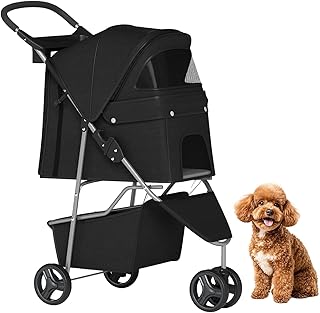
01
Technical snapshot
- Typical material system
- Typical options include formed aluminium-alloy frame, coated carbon-steel structure, woven polyester. The final system is selected against the buyer brief and approved sample.
- Typical process route
- metal section preparation -> wire or tube forming -> welding and joint finishing -> surface treatment -> hardware assembly and dimensional inspection
- Key buyer decision
- Confirm pet compartment, frame geometry, wheel arrangement, folding sequence, brake concept and packed dimensions.
02
Reference variant observation
The image shows a four-wheel stroller with a dark enclosed cabin, arched top, front mesh opening, push handle, and lower basket.
The image is a market-reference input. Visible form may inform planning, but it does not confirm material, construction, performance, ownership or compliance.
Planning questions
- Which visible form and component arrangement should the buyer brief retain?
- Which opening, closure, carry, or presentation detail should sampling compare first?
03
Material options
Material comparison
| Material selection | Typical material system | Trade-offs |
|---|---|---|
| formed aluminium-alloy frame | formed aluminium-alloy frame may suit Pet Stroller when frame mass, folding geometry and surface appearance are central development variables. |
|
| coated carbon-steel structure | coated carbon-steel structure may suit Pet Stroller when a rigid frame, formed wire or tube construction and controlled surface finish are needed. |
|
| woven polyester | woven polyester may suit Pet Stroller when repeatable color, surface and construction options are needed. |
|
04
Manufacturing route
- 01
Confirm section geometry, material family, joint map and intended finish before tooling.
- 02
Cut and form wire, tube or sheet components within project-defined dimensional tolerances.
- 03
Weld or mechanically join the frame, then finish junctions and exposed edges.
- 04
Apply the selected surface treatment with attention to coverage at joints and contact zones.
- 05
Assemble doors, hinges, latches or connectors and inspect alignment, gaps and handling.
05
Design for manufacturing
- Design joint locations around clear load paths and accessible, repeatable joining operations.
- Control openings, moving gaps and wire ends to reduce pinch, entrapment and sharp-edge risks.
- Provide coating access and drainage around welds, corners and overlapping parts.
- Balance folded pack volume, assembly steps and connector robustness when a collapsible format is planned.
06
Quality controls
- Risk
- Misalignment may prevent doors, panels or connectors from engaging consistently.
- Control point
- Use dimensional fixtures and inspect critical diagonals, openings and connector positions.
- Risk
- Incomplete welds or rough joint finishing may create weak or sharp locations.
- Control point
- Define weld appearance criteria and inspect joint continuity and accessible edges.
- Risk
- Thin or damaged surface treatment may expose the substrate in joints and wear zones.
- Control point
- Inspect coverage, finish uniformity and handling damage against the approved visual standard.
- Risk
- Latch or hinge variation may affect opening effort and retention.
- Control point
- Run project-defined functional checks across representative assembled units.
07
Customization scope
- compartment dimensions, canopy opening and entry direction
- frame finish, wheel format, handle height and folding lock
- color standards, branding method and visible finish boundaries
- retail pack format, assortment quantity, labels and buyer-supplied documentation
08
Buyer checklist
- intended pet size, behavior and use scenario for the Pet Stroller
- critical finished dimensions, fit method and acceptable dimensional tolerance
- preferred material direction, cleaning method, appearance standard and approved sample
- target market and channel, required tests or documents, packaging and expected project volume
09
Buyer FAQ
Which material is best for this Pet Stroller?
There is no universal best option. Select against the use environment, cleaning route, tactile and appearance brief, structural interfaces, packaging and target cost, then confirm the choice with an approved sample.
What should be resolved before the first sample?
Start with the intended use, critical dimensions, preferred construction, material candidates, component interfaces, cleaning method, visible finish, branding and pack format. For this family, the key decision is: Confirm pet compartment, frame geometry, wheel arrangement, folding sequence, brake concept and packed dimensions.
How is quality controlled without treating guidance as a confirmed specification?
Convert the selected options into measurable project requirements, approve a representative sample, define incoming, in-process and final inspection points, and retain material and lot traceability required by the buyer.
10
Related products
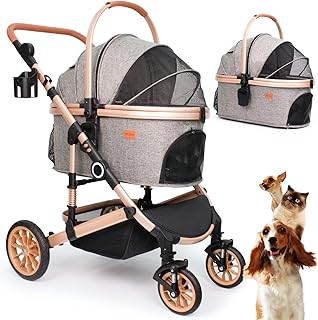 Pet Stroller · Reference 02A development reference for Pet Stroller programs focused on wheeled pet mobility and travel-assortment concepts with foldable architecture. Material, construction, dimensions and testing remain project decisions.
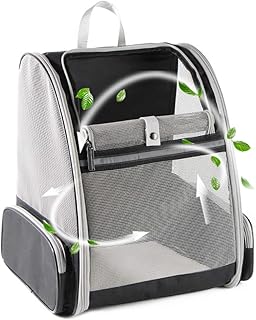 Pet Carrier Backpack · Reference 01Pet Backpack is a complementary family for use-case, material-platform or coordinated-assortment planning.
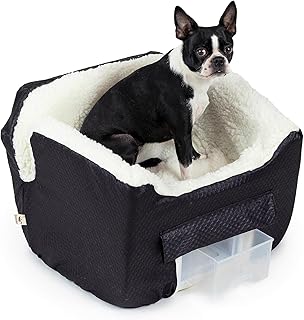 Pet Car Booster Seat · Reference 02Pet Car Seat is a complementary family for use-case, material-platform or coordinated-assortment planning.
Add this SKU to an inquiry
wheeled pet mobility and travel-assortment concepts with foldable architecture
Add this SKU to an inquiry