
Plastic & Electronics · MGT-TE-037-01
Interactive Pet Toy · Reference 01
It uses controlled motion, sound or dispensing behavior to create repeatable engagement.
Add this SKU to an inquiry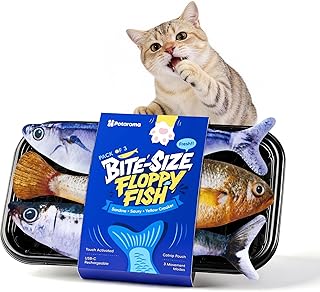
01
Technical snapshot
- Typical material system
- Typical engineering options compare rigid molded enclosure with textile or flexible interaction cover; the final system is confirmed by specification and sample.
- Typical process route
- A typical route covers material preparation, enclosure molding, subassembly preparation and controlled wiring, assembly, inspection and retail packing.
- Key buyer decision
- The buyer should define interaction behavior, power access, service boundary, noise character and cleaning limits before material and process selection.
02
Reference variant observation
The image presents a fish-shaped toy with an elongated body and tail, placed partly inside an open-front retail tray with a large header panel.
The image is a market-reference input. Visible form may inform planning, but it does not confirm material, construction, performance, ownership or compliance.
Planning questions
- Which visible form and component arrangement should the buyer brief retain?
- Which opening, closure, carry, or presentation detail should sampling compare first?
03
Material options
Material comparison
| Material selection | Typical material system | Trade-offs |
|---|---|---|
| rigid molded enclosure | rigid molded enclosure is a typical option when mechanisms, controls and service openings need repeatable location. |
|
| textile or flexible interaction cover | textile or flexible interaction cover is a typical option when a softer presentation or removable tactile surface is desired. |
|
04
Manufacturing route
- 01
Define the interactive pet toy use case, geometry, interfaces and acceptance references in the buyer brief.
- 02
Prepare and form the selected material components through the approved route.
- 03
Finish contact edges and assemble components with controlled alignment and retention.
- 04
Inspect appearance, dimensions and agreed functions against the approved sample before packing.
05
Design for manufacturing
- Separate moving, electrical and contact zones with deliberate clearances and captured routing.
- Place service openings so intended maintenance does not disturb unrelated assemblies.
- Review ventilation, sound transmission, pinch gaps and debris traps at prototype stage.
06
Quality controls
- Risk
- Wire movement or poor retention may interfere with a mechanism.
- Control point
- Inspect routing, strain relief and clearances before closing the enclosure.
- Risk
- Assembly variation may change motion, sound or control response.
- Control point
- Use a defined functional sequence and retained sample for final comparison.
- Risk
- Poor joint fit may create gaps, rattle or difficult service access.
- Control point
- Check interface dimensions, fastener seating and panel fit at first-piece inspection.
07
Customization scope
- Overall dimensions, geometry and interaction format
- Material direction, color, texture and component combination
- Branding position, assortment configuration and retail packaging
08
Buyer checklist
- Confirm intended pet size, use setting and level of supervision.
- Approve dimensions, material direction and a representative functional sample.
- Define cleaning guidance, labeling, packaging and required project documentation.
09
Buyer FAQ
Can the reference image confirm the final material or construction?
No. The options shown are development references. Final material, construction, testing and compliance requirements are confirmed through the approved specification and sample.
What should a functional prototype demonstrate?
It should demonstrate the agreed interaction, access, motion, sound character, assembly stability and cleaning boundaries without implying final performance.
10
Related products
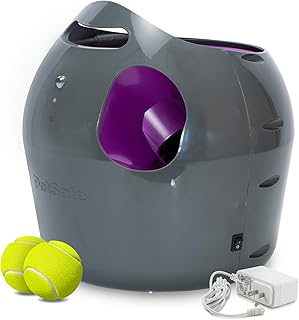 Interactive Pet Toy · Reference 02
 Treat-Dispensing Puzzle Toy · Reference 01
Add this SKU to an inquiry
interactive pet toy is typically considered for smart-care and enrichment assortments; dimensions, intended interaction, cleaning and pack format remain project decisions.
Add this SKU to an inquiry