
Plastic & Electronics · MGT-TE-034-02
Cat Teaser Wand · Reference 02
It supports owner-led chase and pounce play through controlled reach and lure movement.
Add this SKU to an inquiry
01
Technical snapshot
- Typical material system
- Typical engineering options compare molded polymer handle and shaft with metal support with textile lure; the final system is confirmed by specification and sample.
- Typical process route
- A typical route covers material preparation, handle and shaft forming plus lure preparation, assembly, inspection and retail packing.
- Key buyer decision
- The buyer should define play radius, shaft response, connector retention and lure format before material and process selection.
02
Reference variant observation
The image shows a very slim vertical wand with a hanging line and a small feather cluster positioned near the lower end.
The image is a market-reference input. Visible form may inform planning, but it does not confirm material, construction, performance, ownership or compliance.
Planning questions
- Which alternative visible form or layout should be carried into the comparison brief?
- Which visible interface or presentation detail needs a side-by-side sample review?
03
Material options
Material comparison
| Material selection | Typical material system | Trade-offs |
|---|---|---|
| molded polymer handle and shaft | molded polymer handle and shaft is a typical option when integrated grip styling and controlled flexibility are priorities. |
|
| metal support with textile lure | metal support with textile lure is a typical option when spring response and varied lure texture are priorities. |
|
04
Manufacturing route
- 01
Define the cat teaser wand use case, geometry, interfaces and acceptance references in the buyer brief.
- 02
Prepare and form the selected material components through the approved route.
- 03
Finish contact edges and assemble components with controlled alignment and retention.
- 04
Inspect appearance, dimensions and agreed functions against the approved sample before packing.
05
Design for manufacturing
- Avoid abrupt stiffness changes where the shaft enters the handle or connector.
- Provide controlled retention and smooth exposed interfaces at every attachment.
- Design replaceable lures with a clear change action and captured connector.
06
Quality controls
- Risk
- Weak attachment may allow the lure or connector to separate.
- Control point
- Define a repeatable pull check against representative assembled samples.
- Risk
- Burrs or protruding ends may create poor handling surfaces.
- Control point
- Inspect every exposed transition and cut zone visually and by touch.
- Risk
- Shaft response or lure motion may vary between lots.
- Control point
- Compare deflection and motion with a retained approved reference under a defined setup.
07
Customization scope
- Overall dimensions, geometry and interaction format
- Material direction, color, texture and component combination
- Branding position, assortment configuration and retail packaging
08
Buyer checklist
- Confirm intended pet size, use setting and level of supervision.
- Approve dimensions, material direction and a representative functional sample.
- Define cleaning guidance, labeling, packaging and required project documentation.
09
Buyer FAQ
Can the reference image confirm the final material or construction?
No. The options shown are development references. Final material, construction, testing and compliance requirements are confirmed through the approved specification and sample.
What should be evaluated in a teaser sample?
Review grip comfort, shaft response, attachment retention and lure motion in the intended supervised play pattern.
10
Related products
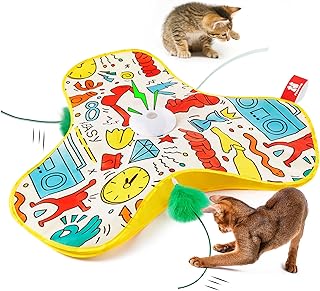 Cat Teaser Wand · Reference 01
 Dog Rope Toy · Reference 01
Add this SKU to an inquiry
cat teaser wand is typically considered for indoor owner-led play assortments; dimensions, intended interaction, cleaning and pack format remain project decisions.
Add this SKU to an inquiry