
Textile Products · MGT-TE-031-02
Dog Squeaky Toy · Reference 02
Dog Squeaky Toy provides a graspable outer form with an enclosed sound component for supervised play.
Add this SKU to an inquiry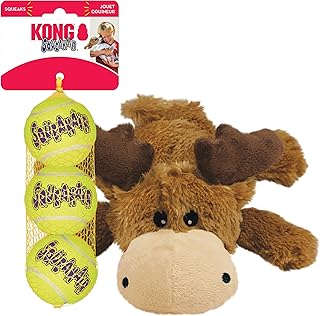
01
Technical snapshot
- Typical material system
- Typical options compare cut-and-sewn textile shell with filling with retained molded sound component.
- Typical process route
- A typical route covers material preparation, forming or fabrication, assembly, finishing, inspection and packing.
- Key buyer decision
- Confirm seam placement, component pocket, filling distribution and final closure before selecting the final material system.
02
Reference variant observation
The image presents a long flat animal-shaped toy beside a vertical three-ball pack, both under separate retail header cards.
The image is a market-reference input. Visible form may inform planning, but it does not confirm material, construction, performance, ownership or compliance.
Planning questions
- Which alternative visible form or layout should be carried into the comparison brief?
- Which visible interface or presentation detail needs a side-by-side sample review?
03
Material options
Material comparison
| Material selection | Typical material system | Trade-offs |
|---|---|---|
| cut-and-sewn textile shell with filling | A typical engineering option for Dog Squeaky Toy when its material character supports the approved use and geometry. |
|
| retained molded sound component | A typical engineering option for Dog Squeaky Toy when its material character supports the approved use and geometry. |
|
04
Manufacturing route
- 01
Define the use case, geometry, interfaces and acceptance references in the buyer brief.
- 02
Prepare and form the selected materials through their approved process routes.
- 03
Finish contact edges and assemble components with controlled alignment and retention.
- 04
Inspect appearance, dimensions and agreed functions against the approved sample before packing.
05
Design for manufacturing
- Design seam placement, component pocket, filling distribution and final closure as connected engineering decisions rather than isolated styling details.
- Avoid abrupt section, seam or joint transitions at concentrated load and contact zones.
- Provide clear assembly access and cleaning paths without creating trapped-debris areas.
06
Quality controls
- Risk
- Material or forming variation may change dimensions, hand and functional response.
- Control point
- Record material identity and preparation, then approve representative first pieces.
- Risk
- Poor edge, seam or joint finishing may affect handling and product integrity.
- Control point
- Define visual and tactile acceptance zones and compare them with the approved sample.
- Risk
- Assembly variation may change alignment, retention or the intended interaction.
- Control point
- Use a defined functional sequence and retained reference for repeatable inspection.
07
Customization scope
- Overall dimensions, geometry and interaction format
- Material combination, color, texture and component arrangement
- Branding position, assortment configuration and retail packaging
08
Buyer checklist
- Confirm pet size, use setting and supervision expectations.
- Approve dimensions, material direction and a representative functional sample.
- Define cleaning guidance, labeling, packaging and required project documents.
09
Buyer FAQ
Can the reference image confirm final material or construction?
No. These are typical engineering options; final material, construction, testing and compliance requirements are confirmed through the approved specification and sample.
What should the buyer validate on the functional sample?
Review seam placement, component pocket, filling distribution and final closure, together with the intended use and cleaning sequence.
10
Related products
 Dog Squeaky Toy · Reference 01
 Dog Rope Toy · Reference 01
Add this SKU to an inquiry
Typical for pet enrichment assortments where seam placement, component pocket, filling distribution and final closure are defined in the buyer brief.
Add this SKU to an inquiry