
Textile Products · MGT-PA-021-02
Pet Hoodie · Reference 02
A development reference for Pet Hoodie programs focused on casual pet apparel ranges emphasizing soft hand, graphic placement and layered fit. Material, construction, dimensions and testing remain project decisions.
Add this SKU to an inquiry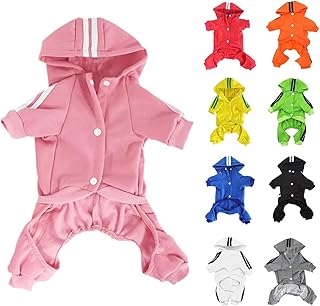
01
Technical snapshot
- Typical material system
- Typical options include polyester or blended knit, woven polyester, cotton or cotton-blend canvas. The final system is selected against the buyer brief and approved sample.
- Typical process route
- textile identification -> size and pattern development -> cutting -> sewing and trim assembly -> fit, appearance and packaging inspection
- Key buyer decision
- Confirm measurement chart, knit stretch, hood and opening geometry, graphic method and care route.
02
Reference variant observation
The image shows a full-body hooded garment laid flat, with a front row of round closures, four leg openings, and multiple color variants.
The image is a market-reference input. Visible form may inform planning, but it does not confirm material, construction, performance, ownership or compliance.
Planning questions
- Which alternative visible form or layout should be carried into the comparison brief?
- Which visible interface or presentation detail needs a side-by-side sample review?
03
Material options
Material comparison
| Material selection | Typical material system | Trade-offs |
|---|---|---|
| polyester or blended knit | polyester or blended knit may suit Pet Hoodie when stretch, close body fit and soft hand are part of the design brief. |
|
| woven polyester | woven polyester may suit Pet Hoodie when repeatable color, surface and construction options are needed. |
|
| cotton or cotton-blend canvas | cotton or cotton-blend canvas may suit Pet Hoodie when a natural hand feel and home-oriented appearance are more important than minimum pack weight. |
|
04
Manufacturing route
- 01
Confirm fibre naming, fabric construction, stretch direction, trim list and care concept.
- 02
Develop the base pattern and size grading around the intended measurement method and movement allowance.
- 03
Cut components with controlled grain, print placement and matching of paired parts.
- 04
Sew seams, bindings, closures and reflective or decorative trims using approved settings.
- 05
Inspect finished measurements, closure function, edge comfort, appearance and pack presentation.
05
Design for manufacturing
- Align stretch direction and seam orientation with the intended movement zones.
- Avoid bulky trim stacks at the neck, limb openings and underside contact areas.
- Design closures for adjustability and handling while controlling exposed hard edges.
- Grade each key circumference and length dimension rather than scaling the complete outline uniformly.
06
Quality controls
- Risk
- Incorrect grading may create pressure points or excessive looseness.
- Control point
- Use a defined measurement chart and review fit across representative sizes before approval.
- Risk
- Seam bulk or rough trim edges may affect comfort.
- Control point
- Inspect contact surfaces, binding coverage and seam finish on the assembled garment.
- Risk
- Closure placement or attachment may fail under repeated handling.
- Control point
- Define reinforcement zones and perform project-agreed functional checks on representative samples.
- Risk
- Color, print or surface appearance may shift after the intended care cycle.
- Control point
- Approve color standards and verify appearance after the proposed care method before release.
07
Customization scope
- size grading, body length, hood depth and limb openings
- rib trim, pocket treatment, graphic placement and label system
- color standards, branding method and visible finish boundaries
- retail pack format, assortment quantity, labels and buyer-supplied documentation
08
Buyer checklist
- intended pet size, behavior and use scenario for the Pet Hoodie
- critical finished dimensions, fit method and acceptable dimensional tolerance
- preferred material direction, cleaning method, appearance standard and approved sample
- target market and channel, required tests or documents, packaging and expected project volume
09
Buyer FAQ
Which material is best for this Pet Hoodie?
There is no universal best option. Select against the use environment, cleaning route, tactile and appearance brief, structural interfaces, packaging and target cost, then confirm the choice with an approved sample.
What should be resolved before the first sample?
Start with the intended use, critical dimensions, preferred construction, material candidates, component interfaces, cleaning method, visible finish, branding and pack format. For this family, the key decision is: Confirm measurement chart, knit stretch, hood and opening geometry, graphic method and care route.
How is quality controlled without treating guidance as a confirmed specification?
Convert the selected options into measurable project requirements, approve a representative sample, define incoming, in-process and final inspection points, and retain material and lot traceability required by the buyer.
10
Related products
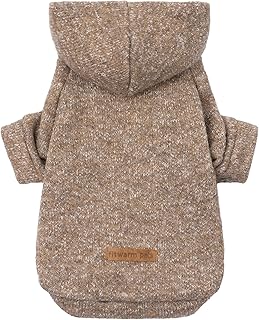 Pet Hoodie · Reference 01A development reference for Pet Hoodie programs focused on casual pet apparel ranges emphasizing soft hand, graphic placement and layered fit. Material, construction, dimensions and testing remain project decisions.
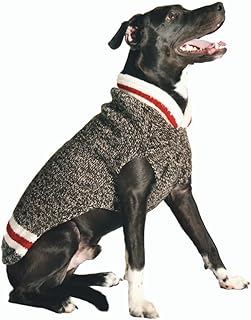 Pet Knit Sweater · Reference 01Pet Sweater is a complementary family for use-case, material-platform or coordinated-assortment planning.
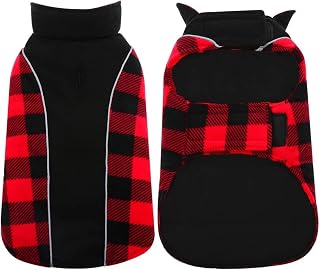 Insulated Pet Jacket · Reference 01Pet Coat is a complementary family for use-case, material-platform or coordinated-assortment planning.
Add this SKU to an inquiry
casual pet apparel ranges emphasizing soft hand, graphic placement and layered fit
Add this SKU to an inquiry