
Plastic & Electronics · MGT-GH-046-01
Cat Litter Scoop · Reference 01
A litter-maintenance tool direction where slot geometry, scoop capacity, edge reach, handle leverage, stiffness, debris release, and storage method determine buyer fit.
Add this SKU to an inquiry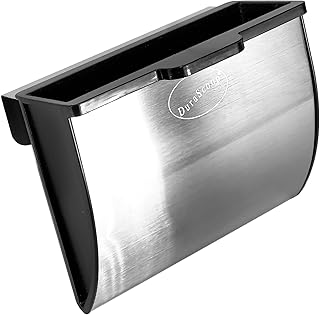
01
Technical snapshot
- Typical material system
- A one-piece molded polymer scoop or a formed metal basket with molded or assembled handle may be considered; slot, edge, joint, and finish choices require project confirmation.
- Typical process route
- Typical routes include scoop geometry development, molding or metal forming, slot creation, edge finishing, handle or holder assembly, stiffness and sifting review, cleaning inspection, and packaging.
- Key buyer decision
- Define litter-format range, desired sifting behavior, scoop volume, corner access, handle length and posture, storage, and cleaning routine before geometry is fixed.
02
Reference variant observation
The image shows a broad box-shaped scoop with a straight top edge, deep front face, dark perimeter frame, and no visible handle in the presentation.
The image is a market-reference input. Visible form may inform planning, but it does not confirm material, construction, performance, ownership or compliance.
Planning questions
- Which visible form and component arrangement should the buyer brief retain?
- Which opening, closure, carry, or presentation detail should sampling compare first?
03
Material options
Material comparison
| Material selection | Typical material system | Trade-offs |
|---|---|---|
| One-piece molded polymer scoop | A molded polymer scoop may integrate basket, slots, ribs, handle, hanging feature, and color, subject to wall balance, stiffness, draft, and cleaning needs. |
|
| Formed metal basket with assembled handle | A formed metal basket may provide a thin, stiff working profile with a separate handle, while edge finish, joint integrity, corrosion environment, and mixed-material fit require confirmation. |
|
04
Manufacturing route
- 01
Define representative litter formats, target sifting behavior, basket geometry, grip posture, and storage format.
- 02
Mold the scoop body or form and perforate the metal basket with controlled slot and edge geometry.
- 03
Finish exposed edges and assemble any separate handle, grip insert, hanging feature, or storage holder.
- 04
Review stiffness, representative sifting and release, edge reach, grip, joint condition, cleaning, and packaging.
05
Design for manufacturing
- Slot geometry should balance sifting behavior, structural continuity, mold or forming feasibility, and cleaning access.
- Handle section and basket transition should distribute bending loads without uncomfortable pressure points or abrupt stress concentrations.
- Corners and internal ribs should reach litter-box edges while remaining easy to empty, rinse, and dry.
06
Quality controls
- Risk
- Slot-size or open-area variation may change sifting behavior and visual consistency.
- Control point
- Use approved slot, spacing, flatness, and visual checkpoints across representative basket areas.
- Risk
- Burrs, sharp edges, flash, or rough transitions may reduce handling and cleaning quality.
- Control point
- Define full-edge touch and visual criteria, then inspect the basket, slots, handle, and holder interfaces.
- Risk
- Handle or holder joints may loosen, rattle, or misalign during use and storage.
- Control point
- Verify engagement and alignment through representative handling, hanging, insertion, and removal sequences.
07
Customization scope
- Dimensions, capacity, and component layout
- Color, surface appearance, and branding position
- Retail packaging, accessory set, and assortment format
08
Buyer checklist
- Confirm the target market, channel, and intended use environment.
- Confirm the pet size range and the required product dimensions or capacity.
- Select the preferred material direction and finish through specification and sample review.
- Define project-specific testing and documentation requirements before tooling or bulk production.
09
Buyer FAQ
Are these materials the confirmed production specification?
No. They are typical engineering options for development reference; final material, construction, testing, and compliance requirements should be confirmed through the approved specification and sample.
What should a buyer confirm before sampling?
Confirm use conditions, dimensions, material direction, cleaning expectations, branding, packaging, and any market-specific testing or documentation needs.
10
Related products
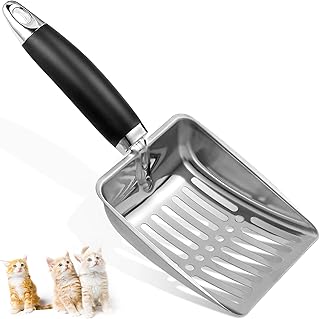 Cat Litter Scoop · Reference 02A litter-maintenance tool direction where slot geometry, scoop capacity, edge reach, handle leverage, stiffness, debris release, and storage method determine buyer fit.
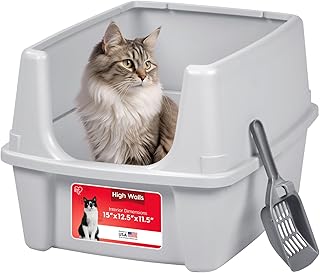 Cat Litter Box · Reference 01Scoop geometry should be coordinated with litter-box corners, wall height, entry layout, storage position, and the intended litter format.
Add this SKU to an inquiry
Typical concepts may include open slotted scoops, deep-basket sifters, corner-reaching profiles, long-handle formats, or scoop-and-holder sets.
Add this SKU to an inquiry