
Textile Products · MGT-GH-044-01
Pet Training Pads · Reference 01
An absorbent floor-protection direction where layer balance, liquid distribution, edge integrity, surface feel, pack efficiency, and disposable or washable use model guide development.
Add this SKU to an inquiry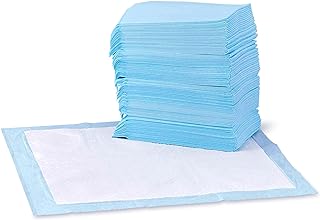
01
Technical snapshot
- Typical material system
- A disposable nonwoven absorbent laminate or a washable textile laminate may be considered, with top layer, absorbent core, barrier, edge construction, and backing selected by project.
- Typical process route
- Typical routes include web or fabric preparation, layer combining, absorbent-core placement, edge bonding or sewing, cutting, inspection, folding, and packaging.
- Key buyer decision
- Choose disposable or washable use, target size, absorbency direction, surface dryness expectation, edge format, backing grip, and pack count before fixing construction.
02
Reference variant observation
The image presents a tall stack of rectangular pads behind one unfolded pad, each with a pale center field and colored perimeter border.
The image is a market-reference input. Visible form may inform planning, but it does not confirm material, construction, performance, ownership or compliance.
Planning questions
- Which visible form and component arrangement should the buyer brief retain?
- Which opening, closure, carry, or presentation detail should sampling compare first?
03
Material options
Material comparison
| Material selection | Typical material system | Trade-offs |
|---|---|---|
| Disposable nonwoven absorbent laminate | A layered nonwoven system may support low-bulk disposable use, with fibre identity, core format, barrier, bonding, and liquid-handling targets confirmed by project. |
|
| Washable textile laminate | A sewn textile laminate may support repeated-use positioning, with face fabric, absorbent middle, barrier backing, seams, and care method confirmed through project testing. |
|
04
Manufacturing route
- 01
Define use model, pad size, layer functions, edge format, folding pattern, and packaging brief.
- 02
Prepare top, absorbent, distribution, barrier, and optional grip layers according to the sampled construction.
- 03
Combine layers by the selected bonding or sewing route, then cut and finish edges.
- 04
Review layer alignment, liquid distribution, barrier continuity, flatness, folding, pack count, and instructions.
05
Design for manufacturing
- Layer widths and bonding zones should keep the absorbent core positioned without creating stiff or bulky edges.
- Fold lines should avoid concentrated core displacement, barrier damage, or an unstable opened pad.
- For washable versions, seam layout and layer selection should account for laundering, drying, shrinkage, and layer migration.
06
Quality controls
- Risk
- Uneven core placement may create thin zones, clumps, or inconsistent liquid distribution.
- Control point
- Use approved weight, position, and visual checkpoints for layer and core distribution during production review.
- Risk
- Interrupted edge or barrier construction may allow unwanted liquid escape.
- Control point
- Inspect edge continuity and conduct a project-defined liquid-handling review on representative samples.
- Risk
- Poor folding or compression recovery may affect shelf presentation and opened flatness.
- Control point
- Approve fold geometry and pack compression, then inspect opened condition after representative storage.
07
Customization scope
- Dimensions, capacity, and component layout
- Color, surface appearance, and branding position
- Retail packaging, accessory set, and assortment format
08
Buyer checklist
- Confirm the target market, channel, and intended use environment.
- Confirm the pet size range and the required product dimensions or capacity.
- Select the preferred material direction and finish through specification and sample review.
- Define project-specific testing and documentation requirements before tooling or bulk production.
09
Buyer FAQ
Are these materials the confirmed production specification?
No. They are typical engineering options for development reference; final material, construction, testing, and compliance requirements should be confirmed through the approved specification and sample.
What should a buyer confirm before sampling?
Confirm use conditions, dimensions, material direction, cleaning expectations, branding, packaging, and any market-specific testing or documentation needs.
10
Related products
 Pet Grooming Wipes · Reference 02
Add this SKU to an inquiry
Typical programs may include disposable training pads, washable reusable mats, travel or crate liners, and coordinated home-care assortments.
Add this SKU to an inquiry