
Textile Products · MGT-GH-042-02
Pet Grooming Wipes · Reference 02
A packaged wiping-product direction where substrate feel, liquid loading, sheet separation, closure performance, formulation compatibility, and use instructions must be developed as one system.
Add this SKU to an inquiry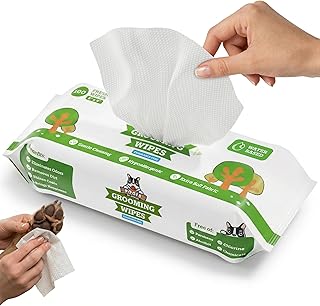
01
Technical snapshot
- Typical material system
- A project-selected nonwoven substrate may be combined with a separately specified liquid formulation and flexible package with resealable closure; fibre, basis, texture, formula, and pack barrier require confirmation.
- Typical process route
- Typical routes include substrate preparation and cutting, liquid dosing, folding or interleaving, pack insertion, closure sealing, pack inspection, and secondary packing.
- Key buyer decision
- Confirm intended wiping use, sheet size and texture, pack count, liquid and substrate compatibility plan, dispensing format, closure model, and required project documentation.
02
Reference variant observation
The image shows a flat rectangular wipe pack with a top dispensing opening and one sheet pulled upward while a hand holds a separate sheet at the front.
The image is a market-reference input. Visible form may inform planning, but it does not confirm material, construction, performance, ownership or compliance.
Planning questions
- Which alternative visible form or layout should be carried into the comparison brief?
- Which visible interface or presentation detail needs a side-by-side sample review?
03
Material options
Material comparison
| Material selection | Typical material system | Trade-offs |
|---|---|---|
| Soft synthetic-fibre nonwoven direction | A synthetic-fibre nonwoven may support strength, controlled texture, and wet handling, while exact fibre identity, web construction, and liquid compatibility remain project-specific. |
|
| Cellulose-rich nonwoven direction | A cellulose-rich nonwoven direction may support absorbent tactile positioning, while blend, wet integrity, lint, liquid compatibility, and converting behavior require project confirmation. |
|
04
Manufacturing route
- 01
Define intended use, substrate direction, sheet geometry, liquid brief, pack count, dispensing, and closure format.
- 02
Prepare, texture, cut, fold, or interleave the selected substrate under controlled conversion conditions.
- 03
Dose the project-specified liquid and insert the stack into the selected package without implying formulation performance.
- 04
Seal and assemble the closure, then review pack integrity, sheet dispensing, wet condition, instructions, and secondary packing.
05
Design for manufacturing
- Sheet fold and overlap should support reliable one-at-a-time dispensing without excessive interlock or fallback.
- Closure opening, label or lid geometry, and stack position should be developed as one dispensing interface.
- Substrate, liquid, package films, inks, adhesives, and closure materials require a project-specific compatibility plan.
06
Quality controls
- Risk
- Inconsistent liquid loading may create uneven sheet feel or pack condition.
- Control point
- Use project-approved dosing and pack-weight checkpoints with representative top, middle, and lower-sheet review.
- Risk
- Poor interfolding or cut variation may cause multiple pulls, tearing, or fallback into the pack.
- Control point
- Inspect sheet dimensions, fold pattern, stack position, and dispensing sequence against the approved sample.
- Risk
- Closure or seal variation may allow the pack condition to change during intended storage.
- Control point
- Verify seal continuity, closure engagement, opening sequence, and project-defined storage review on representative packs.
07
Customization scope
- Dimensions, capacity, and component layout
- Color, surface appearance, and branding position
- Retail packaging, accessory set, and assortment format
08
Buyer checklist
- Confirm the target market, channel, and intended use environment.
- Confirm the pet size range and the required product dimensions or capacity.
- Select the preferred material direction and finish through specification and sample review.
- Define project-specific testing and documentation requirements before tooling or bulk production.
09
Buyer FAQ
Are these materials the confirmed production specification?
No. They are typical engineering options for development reference; final material, construction, testing, and compliance requirements should be confirmed through the approved specification and sample.
What should a buyer confirm before sampling?
Confirm use conditions, dimensions, material direction, cleaning expectations, branding, packaging, and any market-specific testing or documentation needs.
10
Related products
 Pet Training Pads · Reference 01
Add this SKU to an inquiry
Typical concepts may include routine paw and coat wiping, travel packs, refill formats, or coordinated grooming and home-care assortments, subject to project-defined use claims.
Add this SKU to an inquiry