
Plastic & Electronics · MGT-GH-039-02
Pet Slicker Brush · Reference 02
A hand-grooming direction where working-pin geometry, cushion or head compliance, grip ergonomics, edge comfort, hair release, and cleaning access determine usability.
Add this SKU to an inquiry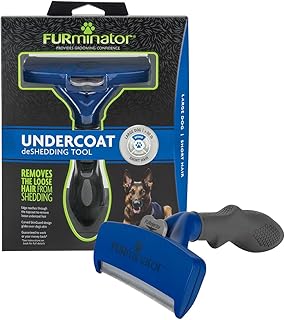
01
Technical snapshot
- Typical material system
- A rigid molded handle and head may combine with formed metal pins and an optional flexible cushion, or with molded elastomer teeth; exact contact geometry and materials require project confirmation.
- Typical process route
- Typical routes include handle and head molding, pin forming or tooth molding, cushion or carrier preparation, controlled insertion or over-assembly, edge finishing, pull and alignment review, and packaging.
- Key buyer decision
- Define coat type and pet-size range, working-head size, pin or tooth geometry, compliance, grip posture, hair-release method, and cleaning routine before tooling.
02
Reference variant observation
The image shows a wide rectangular brush head attached to an angled handle, presented beside a tall retail carton with a front product window.
The image is a market-reference input. Visible form may inform planning, but it does not confirm material, construction, performance, ownership or compliance.
Planning questions
- Which alternative visible form or layout should be carried into the comparison brief?
- Which visible interface or presentation detail needs a side-by-side sample review?
03
Material options
Material comparison
| Material selection | Typical material system | Trade-offs |
|---|---|---|
| Metal-pin and flexible-cushion system | Formed metal pins may be mounted in a compliant cushion or carrier to create a defined grooming interface, with tip, spacing, retention, and cushion response confirmed by sample. |
|
| Molded flexible-tooth system | Molded elastomer teeth may provide a softer, quieter contact direction and integrated geometry, with hardness, tooth section, recovery, and carrier bonding confirmed by project. |
|
04
Manufacturing route
- 01
Define coat and pet-size use cases, head footprint, working-element geometry, grip posture, and cleaning method.
- 02
Mold handle, head, cushion carrier, and any release components with controlled seams and locating features.
- 03
Form and finish pins or mold flexible teeth, then insert, bond, or mechanically retain them according to the selected architecture.
- 04
Review element alignment and retention, edge comfort, grip, release function, cleaning access, appearance, and packaging.
05
Design for manufacturing
- Pin or tooth pitch and working depth should match the intended coat and pet-size range without creating inaccessible cleaning zones.
- Working-element roots and carrier geometry should distribute pull and bending loads without sharp local transitions.
- Grip seams, release mechanisms, and head edges should avoid pressure points, pinch zones, and trapped hair.
06
Quality controls
- Risk
- Misaligned, rough, or inconsistent working elements may create uneven contact and poor appearance.
- Control point
- Use approved alignment, tip, spacing, and visual references across representative head areas.
- Risk
- Weak retention may allow pins, teeth, cushion, or release parts to loosen.
- Control point
- Define project-specific pull, seating, and repeated-operation reviews for the selected architecture.
- Risk
- Hair trapped behind carriers or mechanisms may reduce cleaning access and release function.
- Control point
- Conduct a representative grooming-residue and cleaning-sequence review using the approved sample configuration.
07
Customization scope
- Dimensions, capacity, and component layout
- Color, surface appearance, and branding position
- Retail packaging, accessory set, and assortment format
08
Buyer checklist
- Confirm the target market, channel, and intended use environment.
- Confirm the pet size range and the required product dimensions or capacity.
- Select the preferred material direction and finish through specification and sample review.
- Define project-specific testing and documentation requirements before tooling or bulk production.
09
Buyer FAQ
Are these materials the confirmed production specification?
No. They are typical engineering options for development reference; final material, construction, testing, and compliance requirements should be confirmed through the approved specification and sample.
What should a buyer confirm before sampling?
Confirm use conditions, dimensions, material direction, cleaning expectations, branding, packaging, and any market-specific testing or documentation needs.
10
Related products
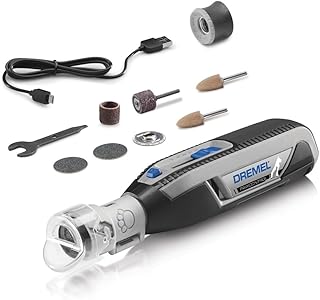 Pet Nail Grinder · Reference 02
Add this SKU to an inquiry
Typical programs may include pin brushes, slicker-style brushes, flexible-tooth grooming tools, detangling formats, or coordinated grooming kits.
Add this SKU to an inquiry