
Plastic & Electronics · MGT-FH-005-01
Automatic Pet Feeder · Reference 01
A portion-dispensing appliance direction where food-path geometry, dispensing consistency, cleanable separation, control interface, and service strategy shape buyer confidence.
Add this SKU to an inquiry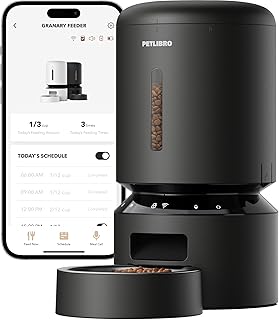
01
Technical snapshot
- Typical material system
- A rigid molded housing and hopper may combine with a dispensing mechanism, motor, controls, cable or battery interface, seals, and removable food-path parts; final architecture is project-specific.
- Typical process route
- Typical routes include molded-part production, mechanism and electronics subassembly, food-path assembly, enclosure closure, functional dispensing review, cleaning review, and pack-out.
- Key buyer decision
- Define food format range, portioning concept, hopper capacity, power and control model, cleanable modules, and regional requirements before detailed tooling.
02
Reference variant observation
The image shows a tall cylindrical hopper positioned above a front bowl, with a phone screen beside the unit.
The image is a market-reference input. Visible form may inform planning, but it does not confirm material, construction, performance, ownership or compliance.
Planning questions
- Which visible form and component arrangement should the buyer brief retain?
- Which opening, closure, carry, or presentation detail should sampling compare first?
03
Material options
Material comparison
| Material selection | Typical material system | Trade-offs |
|---|---|---|
| Rigid molded housing and hopper | A molded polymer system may integrate guides, clips, display windows, and mechanism mounts, with opacity, stiffness, molding, and cleaning needs selected by project. |
|
| Metal-hybrid bowl or mechanism components | Formed metal components may be considered for removable bowls, shafts, or selected wear interfaces, combined with a molded enclosure and project-specific joining. |
|
04
Manufacturing route
- 01
Define intended food formats, dispensing concept, cleaning modules, power model, and user sequence.
- 02
Mold housing, hopper, food-path, and interface parts with controlled alignment and service clearances.
- 03
Build mechanism and electronics subassemblies, then integrate seals, sensors, controls, and removable parts as specified.
- 04
Review dispensing, jam response, assembled noise, controls, cleaning sequence, enclosure closure, and packaging.
05
Design for manufacturing
- Food-path transitions should avoid abrupt ledges and inaccessible pockets that may retain residue.
- Motor, shaft, and dispensing-element alignment should be controlled through locating features rather than enclosure force alone.
- Cleanable parts should separate from protected electronics through an obvious, mistake-resistant interface.
06
Quality controls
- Risk
- Mechanism variation or unsuitable food geometry may cause inconsistent portions or jams.
- Control point
- Use representative project-defined food samples and fill conditions for functional review during development.
- Risk
- Loose alignment or housing resonance may create noise, wear, or dispensing instability.
- Control point
- Inspect locating features and assembled clearances, then review operation across the intended sample sequence.
- Risk
- Incorrect reassembly after cleaning may affect dispensing or expose protected areas.
- Control point
- Validate keyed interfaces, visual cues, and final-style instructions with a complete disassembly and reassembly trial.
07
Customization scope
- Dimensions, capacity, and component layout
- Color, surface appearance, and branding position
- Retail packaging, accessory set, and assortment format
08
Buyer checklist
- Confirm the target market, channel, and intended use environment.
- Confirm the pet size range and the required product dimensions or capacity.
- Select the preferred material direction and finish through specification and sample review.
- Define project-specific testing and documentation requirements before tooling or bulk production.
09
Buyer FAQ
Are these materials the confirmed production specification?
No. They are typical engineering options for development reference; final material, construction, testing, and compliance requirements should be confirmed through the approved specification and sample.
What should a buyer confirm before sampling?
Confirm use conditions, dimensions, material direction, cleaning expectations, branding, packaging, and any market-specific testing or documentation needs.
10
Related products
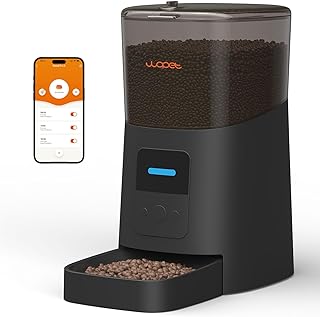 Automatic Pet Feeder · Reference 02A portion-dispensing appliance direction where food-path geometry, dispensing consistency, cleanable separation, control interface, and service strategy shape buyer confidence.
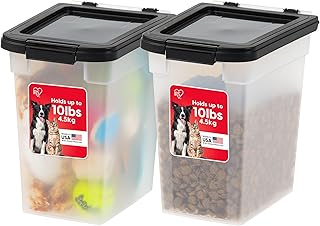 Airtight Pet Food Container · Reference 01Storage architecture influences refill workflow, food protection, hopper compatibility, and coordinated assortment planning.
Add this SKU to an inquiry
Typical concepts may include scheduled dry-food dispensing, compact countertop formats, visible hoppers, or modular bowl-and-feeder programs.
Add this SKU to an inquiry