
Plastic & Electronics · MGT-FH-004-01
Pet Water Fountain · Reference 01
A powered hydration-appliance direction where water-path hygiene, service access, acoustic behavior, component reliability, and refill convenience guide development.
Add this SKU to an inquiry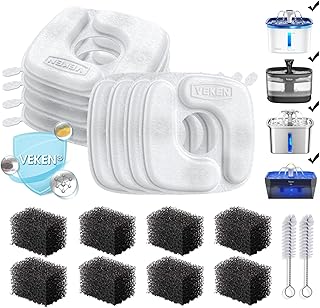
01
Technical snapshot
- Typical material system
- A rigid molded polymer housing may combine with a metal or polymer drinking surface, flexible seals, pump, cable, and replaceable water-path components; final selections require system review.
- Typical process route
- Typical routes include housing molding, water-path and pump subassembly, sealing, electrical assembly, functional leak and flow review, cleaning inspection, and pack-out.
- Key buyer decision
- Set reservoir format, drinking-surface direction, cleaning access, consumable strategy, noise expectation, and regional electrical requirements before architecture is frozen.
02
Reference variant observation
The image presents a component set arranged around a rectangular top unit, including stacked frames, dark blocks, a brush, and small fittings.
The image is a market-reference input. Visible form may inform planning, but it does not confirm material, construction, performance, ownership or compliance.
Planning questions
- Which visible form and component arrangement should the buyer brief retain?
- Which opening, closure, carry, or presentation detail should sampling compare first?
03
Material options
Material comparison
| Material selection | Typical material system | Trade-offs |
|---|---|---|
| Rigid molded polymer housing system | A molded polymer housing may integrate reservoirs, guides, clips, and cable features, subject to resin, wall, seal, and cleaning requirements. |
|
| Metal-hybrid drinking-surface system | A formed metal drinking surface may provide a distinct tactile and visual direction while relying on a molded base and controlled mixed-material interfaces. |
|
04
Manufacturing route
- 01
Define water volume, flow concept, cleaning path, replaceable components, and regional power interface for the sample brief.
- 02
Mold housing and reservoir parts with controlled seal lands, clips, channels, and service clearances.
- 03
Assemble pump, seals, water-path parts, cable features, and any removable drinking surface.
- 04
Review leakage, flow stability, acoustic behavior, refill and cleaning steps, electrical fit, and packaging before approval.
05
Design for manufacturing
- Water-path parts should be removable in a clear sequence and avoid narrow stagnant pockets where practical.
- Seal compression, mating-flatness, and fastener or clip loads should be developed as one interface system.
- Pump isolation, cable routing, splash management, and service access should be reviewed together.
06
Quality controls
- Risk
- Seal or fit variation may lead to leakage or inconsistent flow.
- Control point
- Use approved assembly checkpoints and a functional water-path review on representative samples.
- Risk
- Poor pump seating or part resonance may create objectionable or inconsistent noise.
- Control point
- Confirm pump seating, isolation features, water level, and assembled sound behavior during sample review.
- Risk
- Complex disassembly may leave areas insufficiently cleaned or incorrectly reassembled.
- Control point
- Run a user-sequence review with final-style instructions and inspect all water-contact paths after reassembly.
07
Customization scope
- Dimensions, capacity, and component layout
- Color, surface appearance, and branding position
- Retail packaging, accessory set, and assortment format
08
Buyer checklist
- Confirm the target market, channel, and intended use environment.
- Confirm the pet size range and the required product dimensions or capacity.
- Select the preferred material direction and finish through specification and sample review.
- Define project-specific testing and documentation requirements before tooling or bulk production.
09
Buyer FAQ
Are these materials the confirmed production specification?
No. They are typical engineering options for development reference; final material, construction, testing, and compliance requirements should be confirmed through the approved specification and sample.
What should a buyer confirm before sampling?
Confirm use conditions, dimensions, material direction, cleaning expectations, branding, packaging, and any market-specific testing or documentation needs.
10
Related products
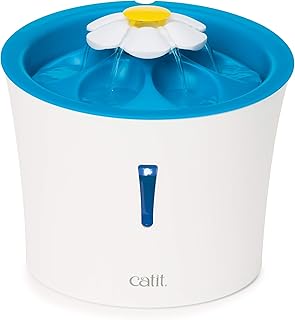 Pet Water Fountain · Reference 02A powered hydration-appliance direction where water-path hygiene, service access, acoustic behavior, component reliability, and refill convenience guide development.
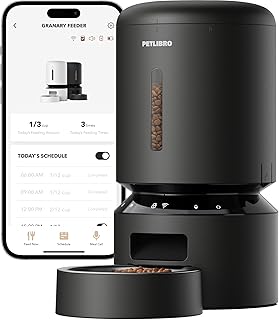 Automatic Pet Feeder · Reference 01Both appliance families share decisions around molded housings, powered components, cleaning access, serviceability, and regional electrical interfaces.
Add this SKU to an inquiry
Typical concepts may include countertop fountains, visible-reservoir formats, modular filter layouts, or quiet-use home assortments.
Add this SKU to an inquiry