
Metal & Hybrid Products · MGT-FH-003-02
Elevated Pet Bowl · Reference 02
A raised feeding station direction that combines removable vessels with a support structure, making stability, joint design, cleanability, and pack-out central buyer concerns.
Add this SKU to an inquiry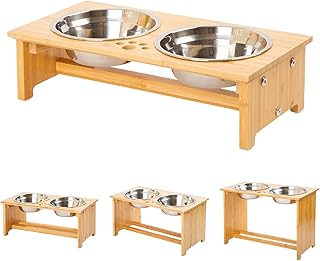
01
Technical snapshot
- Typical material system
- A formed metal or engineered wood support may be paired with removable metal or polymer bowls; joints, finishes, and contact interfaces require project confirmation.
- Typical process route
- Typical routes combine support-part fabrication, edge and surface finishing, joint preparation, vessel fit-up, stability review, and packaging validation.
- Key buyer decision
- Choose support material, height, bowl count, assembly format, and target footprint together rather than as isolated styling choices.
02
Reference variant observation
The image shows two bowls held in a rectangular open frame with cross rails and visible side fasteners.
The image is a market-reference input. Visible form may inform planning, but it does not confirm material, construction, performance, ownership or compliance.
Planning questions
- Which alternative visible form or layout should be carried into the comparison brief?
- Which visible interface or presentation detail needs a side-by-side sample review?
03
Material options
Material comparison
| Material selection | Typical material system | Trade-offs |
|---|---|---|
| Formed metal support system | A formed metal support may provide a slim visual profile and defined load path, with section, joints, corrosion environment, and finish selected by project. |
|
| Engineered wood support system | An engineered wood support may suit a furniture-led appearance and flat-panel construction, subject to substrate, edge protection, joints, and moisture exposure. |
|
04
Manufacturing route
- 01
Define bowl size, station height, footprint, and target assembly format.
- 02
Fabricate support parts by forming or panel cutting, then prepare edges and connection features.
- 03
Apply the selected surface route and assemble or test-fit joints and removable bowls.
- 04
Review stability, bowl retention, edge condition, cleaning access, assembly instructions, and packaging.
05
Design for manufacturing
- The load path and base width should limit rocking or tipping under representative use.
- Bowl openings should retain vessels without creating sharp edges or difficult-to-clean crevices.
- Knock-down joints should be intuitive, protected from over-tightening, and compatible with the retail pack plan.
06
Quality controls
- Risk
- Frame distortion or loose joints may cause rocking and poor bowl fit.
- Control point
- Use a representative assembly fixture and confirm joint seating, footprint contact, and bowl retention.
- Risk
- Unprotected edges or coating gaps may worsen appearance and moisture response.
- Control point
- Approve edge and finish references, then inspect coverage at holes, corners, and contact points.
- Risk
- Ambiguous assembly may lead to reversed parts, over-tightening, or unstable setup.
- Control point
- Conduct an assembly trial with final-style instructions and verify the completed station against acceptance points.
07
Customization scope
- Dimensions, capacity, and component layout
- Color, surface appearance, and branding position
- Retail packaging, accessory set, and assortment format
08
Buyer checklist
- Confirm the target market, channel, and intended use environment.
- Confirm the pet size range and the required product dimensions or capacity.
- Select the preferred material direction and finish through specification and sample review.
- Define project-specific testing and documentation requirements before tooling or bulk production.
09
Buyer FAQ
Are these materials the confirmed production specification?
No. They are typical engineering options for development reference; final material, construction, testing, and compliance requirements should be confirmed through the approved specification and sample.
What should a buyer confirm before sampling?
Confirm use conditions, dimensions, material direction, cleaning expectations, branding, packaging, and any market-specific testing or documentation needs.
10
Related products
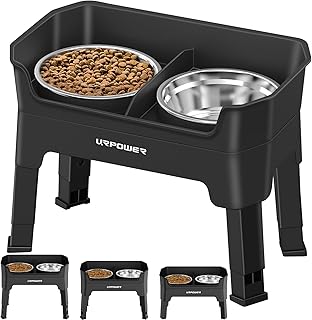 Elevated Pet Bowl · Reference 01A raised feeding station direction that combines removable vessels with a support structure, making stability, joint design, cleanability, and pack-out central buyer concerns.
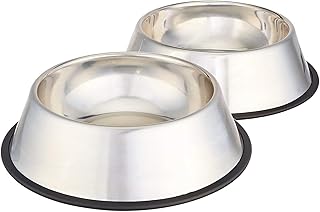 Stainless Steel Pet Bowl · Reference 01Removable bowls define the station’s fit, cleaning routine, and replacement strategy.
Add this SKU to an inquiry
Typical programs may include single- or double-bowl stations, fixed-height home formats, and flat-pack retail concepts.
Add this SKU to an inquiry