
Metal & Hybrid Products · MGT-FH-001-01
Stainless Steel Pet Bowl · Reference 01
A durable feeding-vessel direction for repeat-use assortments where cleanability, rim comfort, stability, and finish consistency shape buyer acceptance.
Add this SKU to an inquiry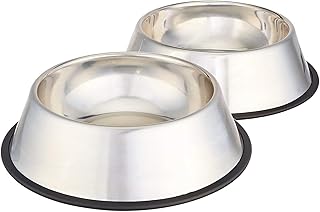
01
Technical snapshot
- Typical material system
- A formed stainless body may be combined with an optional polymer or silicone anti-slip component; the exact metal family and elastomer should remain project-confirmed.
- Typical process route
- Typical development may use sheet forming, rim forming, trimming, surface finishing, optional base assembly, cleaning, and inspection.
- Key buyer decision
- Balance vessel stability, rim geometry, surface appearance, nesting behavior, and the intended cleaning routine.
02
Reference variant observation
The image shows two shallow round bowls with flared outer walls and broad base rings.
The image is a market-reference input. Visible form may inform planning, but it does not confirm material, construction, performance, ownership or compliance.
Planning questions
- Which visible form and component arrangement should the buyer brief retain?
- Which opening, closure, carry, or presentation detail should sampling compare first?
03
Material options
Material comparison
| Material selection | Typical material system | Trade-offs |
|---|---|---|
| Formed stainless-steel family | A stainless-steel family may suit a thin-wall, rigid vessel with a metallic finish, subject to environment, forming route, and approved specification. |
|
| Rigid molded polymer family | A molded polymer body may support integrated color and thicker geometry where metallic appearance is not required. |
|
04
Manufacturing route
- 01
Select a provisional metal family and blank geometry for sampling.
- 02
Form the bowl body and develop rim geometry with controlled transitions.
- 03
Trim and finish exposed edges and surfaces according to the approved appearance direction.
- 04
Assemble optional base components, then inspect stability, finish, cleanability, and pack-out.
05
Design for manufacturing
- Rim radius and seam-free transitions should avoid sharp contact edges and cleaning traps.
- Base geometry should control rocking without creating trapped-water areas.
- Nesting clearance should balance shipping density with the risk of parts jamming or scratching.
06
Quality controls
- Risk
- Uneven forming may cause rocking or visible asymmetry.
- Control point
- Use a flatness and visual fixture suitable for the approved geometry during sampling and inspection.
- Risk
- Rough or inconsistent rims may reduce handling comfort and cleaning quality.
- Control point
- Define edge-finish criteria and inspect the full circumference for burrs and discontinuities.
- Risk
- Finish variation or handling marks may create an inconsistent retail presentation.
- Control point
- Approve a finish reference and control contact, cleaning, and protective packing through the process.
07
Customization scope
- Dimensions, capacity, and component layout
- Color, surface appearance, and branding position
- Retail packaging, accessory set, and assortment format
08
Buyer checklist
- Confirm the target market, channel, and intended use environment.
- Confirm the pet size range and the required product dimensions or capacity.
- Select the preferred material direction and finish through specification and sample review.
- Define project-specific testing and documentation requirements before tooling or bulk production.
09
Buyer FAQ
Are these materials the confirmed production specification?
No. They are typical engineering options for development reference; final material, construction, testing, and compliance requirements should be confirmed through the approved specification and sample.
What should a buyer confirm before sampling?
Confirm use conditions, dimensions, material direction, cleaning expectations, branding, packaging, and any market-specific testing or documentation needs.
10
Related products
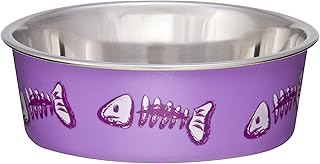 Stainless Steel Pet Bowl · Reference 02A durable feeding-vessel direction for repeat-use assortments where cleanability, rim comfort, stability, and finish consistency shape buyer acceptance.
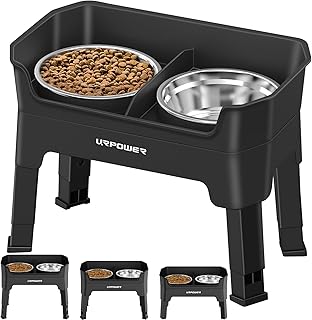 Elevated Pet Bowl · Reference 01A raised feeding program can reuse bowl-size decisions while adding stand stability and joint requirements.
Add this SKU to an inquiry
Typical programs may include everyday food or water bowls, nested sets, and bowls paired with mats or raised stands.
Add this SKU to an inquiry