
Textile Products
Textile Product Engineering
Textile product performance depends on the complete construction: fibre identity, yarn and fabric structure, coating or finish, seam, thread, closure, filling and assembly. A fabric name alone is not a finished specification.
Discuss a material-led project01
Typical applications
Beds, caves, blankets and washable covers
Carriers, backpacks and vehicle accessories
Walking gear, apparel and soft toys
02
Material selection
| Material selection | Typical material system | Trade-offs |
|---|---|---|
| Woven polyester system | A typical engineering option for covers, bags and accessories where easy-care positioning and a broad range of constructions and finishes are useful. |
|
| High-tenacity nylon system | A typical option for selected wear or load zones when abrasion, tear and scuff resistance are project priorities. |
|
| Cotton or cotton-blend canvas | A typical visual and tactile option when a natural-fibre or blended-fibre story is desired, with composition and construction explicitly documented. |
|
03
Manufacturing route
- 01
Confirm fibre, fabric, finish, filling, closure and cleaning requirements in the approved specification.
- 02
Inspect incoming fabric and components against approved identity, color and construction references.
- 03
Plan markers, cut panels and control orientation for visible grain, stretch and paired parts.
- 04
Sew the approved seam and reinforcement construction, then install closures and hardware with required clearance.
- 05
Complete assembly, functional checks, appearance inspection and pack-out against the approved sample.
04
Design rules
- Place seams, reinforcement and hardware around the intended load path, not only around the visible silhouette.
- Match seam class, stitch, thread and seam allowance to the fabric and required movement.
- Keep lining and pile clear of zipper travel and reinforce locally loaded zipper ends.
- Design removable covers, openings and drying paths around the agreed care method.
05
Quality controls
- Risk
- Unverified fibre or fabric construction may change hand feel, appearance and processing.
- Control point
- Record generic fibre identity, approved construction reference and lot traceability before cutting.
- Risk
- Seam slippage, thread breakage or local tearing may occur at loaded joints.
- Control point
- Approve seam construction on representative assemblies and define in-process stitch and reinforcement checks.
- Risk
- Zipper interference or overloaded ends may cause difficult operation or damage.
- Control point
- Check slider clearance, alignment, end reinforcement and repeated operation on the approved construction.
- Risk
- Cleaning or drying may change dimensions, color, filling distribution or hardware behavior.
- Control point
- Validate the agreed care cycle on representative samples and publish only the approved care instruction.
06
Relevant products
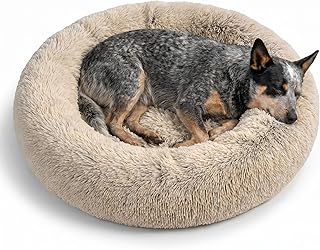 Pet Bed · Reference 01MGT-HT-048-01
 Pet Bed · Reference 02MGT-HT-048-02
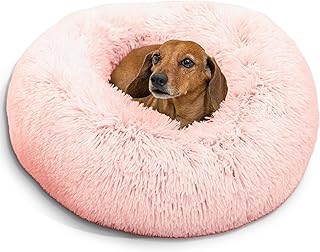 Cat Cave Bed · Reference 01MGT-HT-049-01
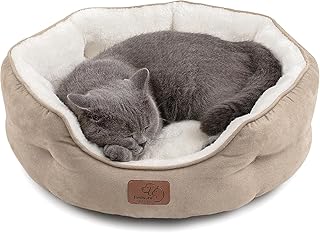 Cat Cave Bed · Reference 02MGT-HT-049-02
 Pet Carrier Backpack · Reference 01MGT-TT-015-01
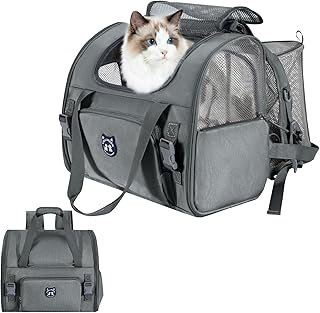 Pet Carrier Backpack · Reference 02MGT-TT-015-02
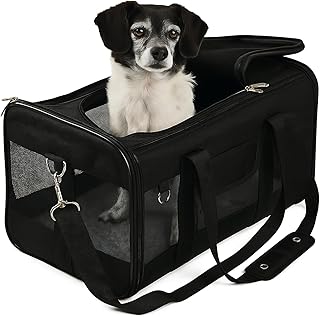 Soft-Sided Pet Carrier · Reference 01MGT-TT-014-01
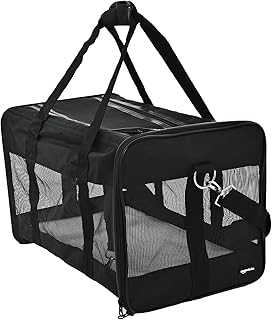 Soft-Sided Pet Carrier · Reference 02MGT-TT-014-02
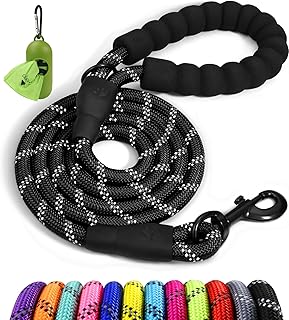 Everyday Pet Leash · Reference 01MGT-WC-008-01
 No-Pull Pet Harness · Reference 01MGT-WC-012-01
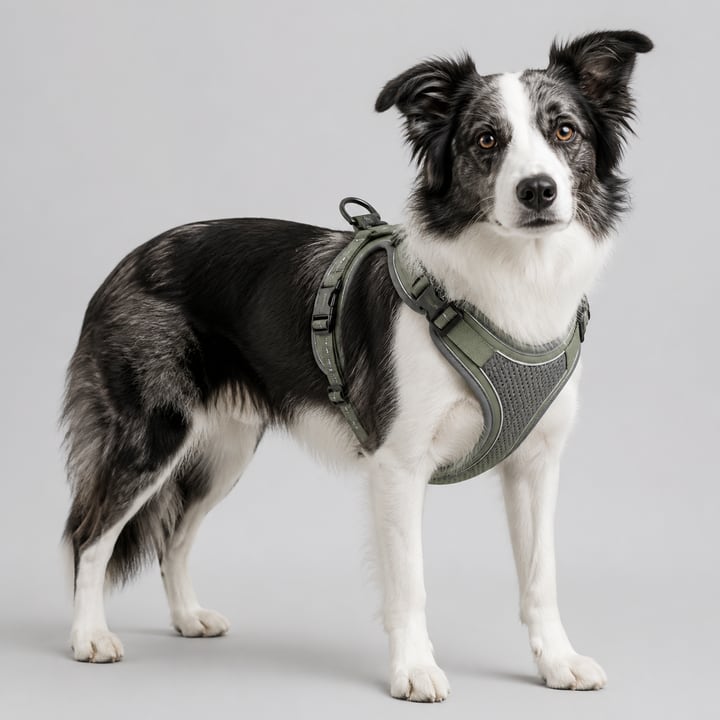 No-Pull Pet Harness · Reference 02MGT-WC-012-02
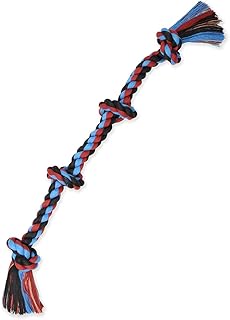 Dog Rope Toy · Reference 01MGT-TE-030-01
07
Buyer FAQ
Is polyester the same as Oxford fabric?
No. Polyester identifies a fibre family, while Oxford describes a fabric construction. Fibre, weave, mass, finish and backing should be documented separately.
Can a market image prove fabric composition?
No. Composition, coating, filling and seam construction require supplier documentation and representative samples.
What should be sampled first?
Sample the complete critical assembly: chosen fabric, seam, thread, reinforcement, closure, hardware, filling and care method. A fabric swatch alone cannot validate the product.
Discuss a material-led project
Textile product performance depends on the complete construction: fibre identity, yarn and fabric structure, coating or finish, seam, thread, closure, filling and assembly. A fabric name alone is not a finished specification.
Discuss a material-led project